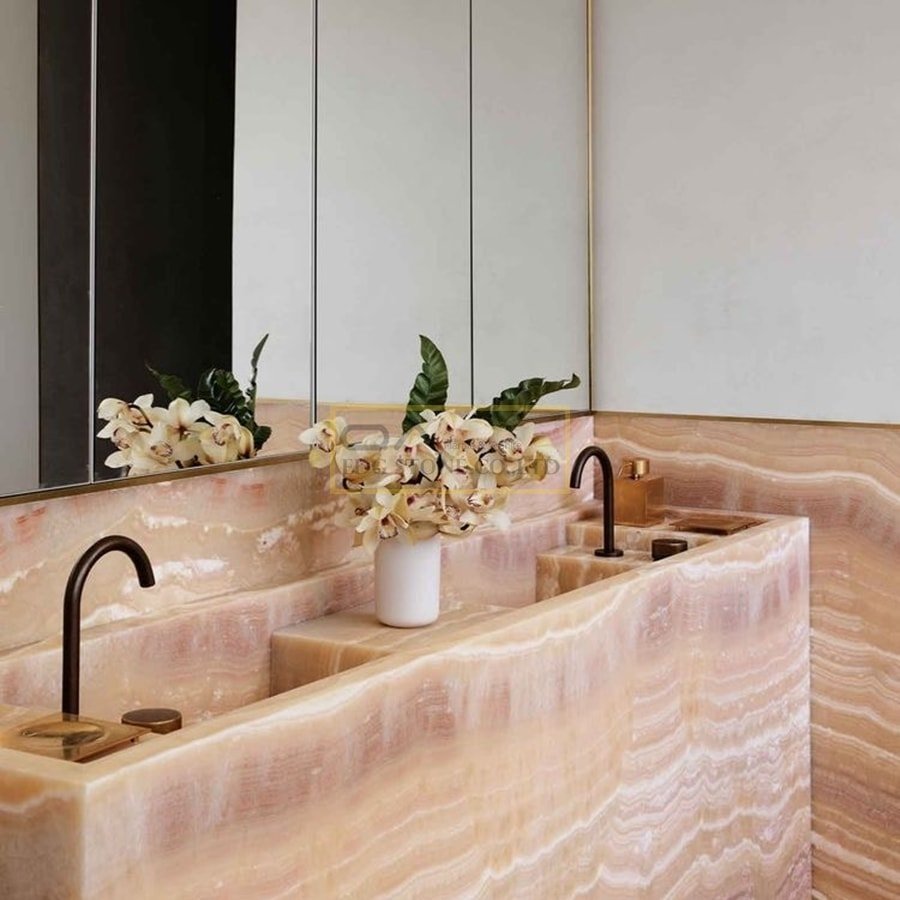
What Is a Warm Minimalist Home, and Why Stone Furniture Fits So Well?
Warm minimalism is a design philosophy that moves beyond stark, cold minimalism and introduces warmth, tactility, and emotional comfort into simplified spaces. Instead of pure whites and sharp contrasts, it embraces soft beige tones, earthy hues, and layered natural materials.
Stone furniture naturally aligns with this philosophy. Unlike synthetic materials, stone offers authenticity, permanence, and subtle variation—qualities that reinforce the calm, grounded feeling warm minimalism seeks to achieve.
In a warm minimalist interior, stone furniture plays three critical roles:
- Visual anchor: It stabilizes the space with weight and presence
- Textural contrast: It balances soft fabrics with solid surfaces
- Luxury signal: It communicates quality without excess
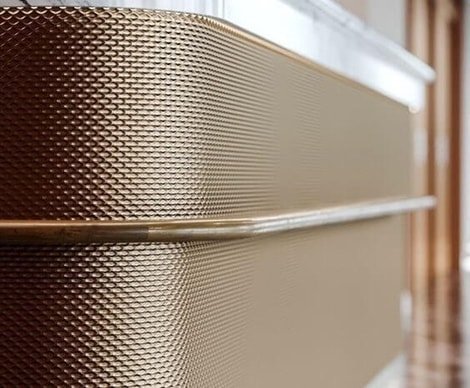
warm minimalist interior
The Core Design Logic: Warm Minimalist Color Palette + Natural Materials
Warm Minimalist Color Palette
The foundation of a warm minimalist home lies in its color palette. Typical tones include:
- Soft beige, sand, and ivory
- Warm gray and taupe
- Muted clay and earthy browns
- Subtle off-whites instead of stark white
These tones create a calming, cohesive environment that allows stone furniture to blend seamlessly.
Material Harmony
A successful warm minimalist space combines:
- Stone (marble, travertine, quartzite)
- Natural wood (oak, walnut)
- Linen and cotton fabrics
- Wool rugs and textured weaves
Stone furniture should never dominate—it should integrate. The key is balance.
Why Texture Matters More Than Color?
Warm minimalism prioritizes texture over color contrast. A travertine table paired with linen upholstery creates visual richness without overwhelming the space.
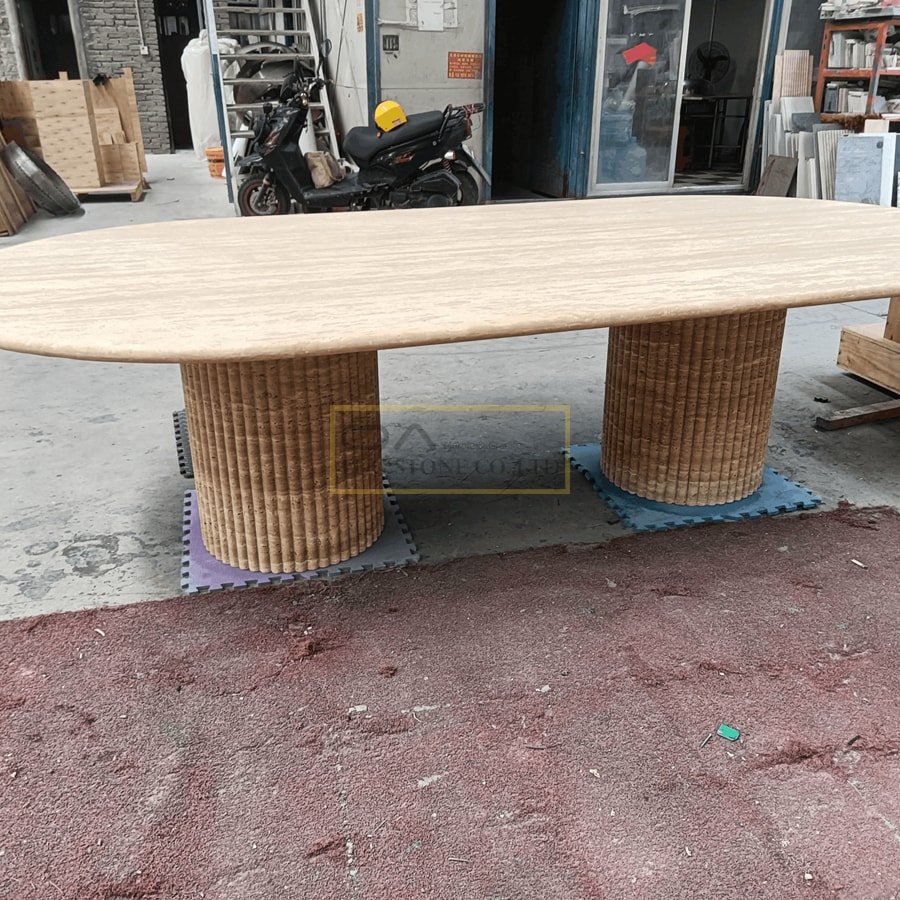
stone furniture manufacturer
Warm Minimalism Living Room: Styling Stone Furniture Without Coldness
Key Stone Furniture Pieces
In the living room, stone furniture commonly includes:
- Coffee tables
- Side tables
- Console units
- Fireplace surrounds
These elements define the space’s structure.
Creating an Organic Modern Living Room
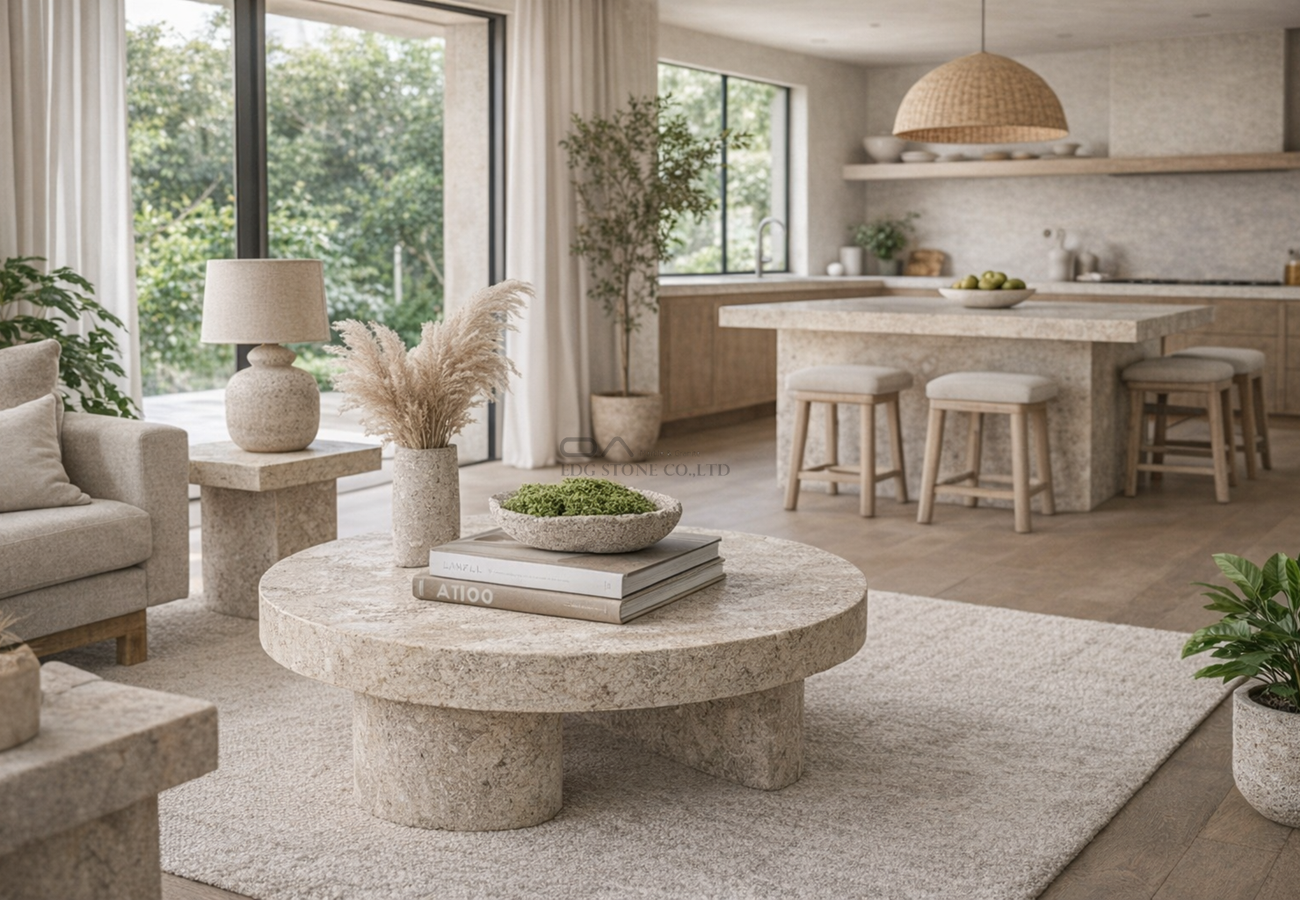
The intersection of organic modern living room and warm minimalism is where stone shines. Use:
- Rounded stone edges instead of sharp corners
- Matte or honed finishes instead of polished gloss
- Layered textiles to soften the visual weight
Softening the Stone
To avoid a cold atmosphere:
1. Use Textiles Generously
Rugs, throws, and cushions absorb visual hardness.
2. Introduce Warm Lighting
Soft, diffused lighting enhances the stone’s natural tones.
3. Add Organic Decor
Ceramics, dried plants, and wood accents create harmony.
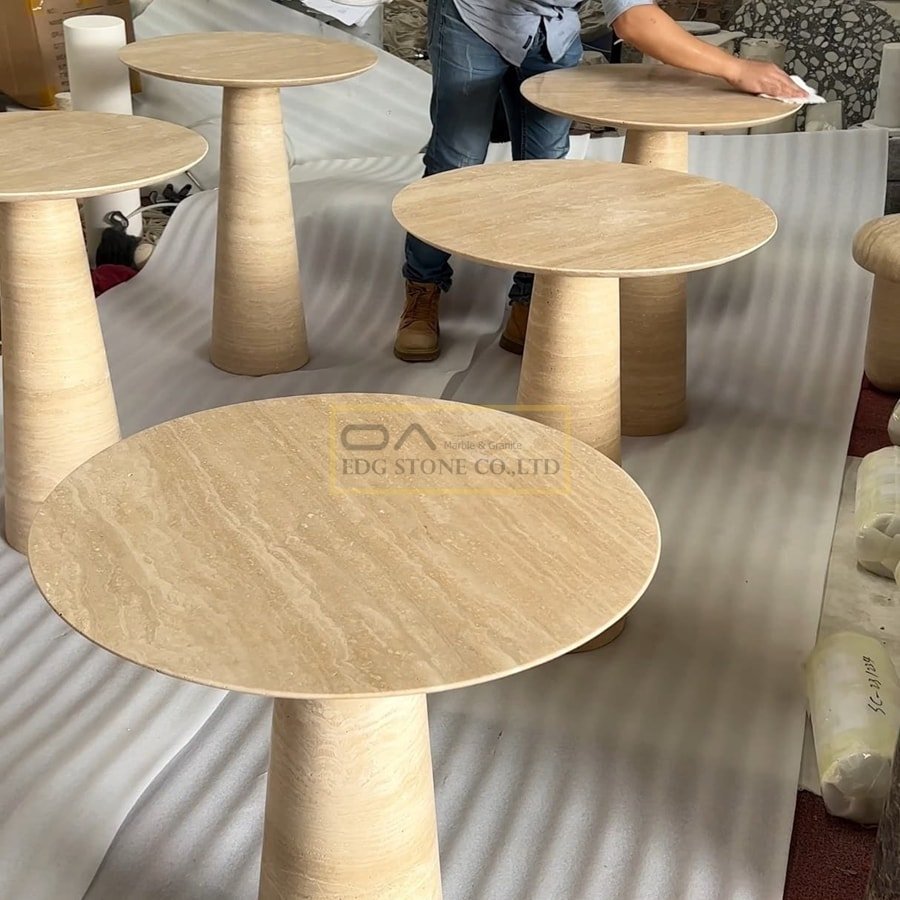
Warm Minimalism Bedroom: How to Style a Minimalist Bedroom
Essential Stone Furniture Elements
- Bedside tables
- Benches
- Low-profile dressers
These should remain simple and functional.
The Rule of “Refined Simplicity”
A minimalist bedroom is not empty—it is curated. Each piece must justify its presence.
Balancing Stone with Softness
Pair stone with:
- Upholstered headboards
- Soft bedding layers
- Warm-toned wood
Small Space Strategy
For smaller bedrooms:
- Use lighter-colored stone (e.g., beige or cream)
- Opt for compact designs
- Maintain negative space around furniture
Warm Minimalism Kitchen: Functional Beauty with Stone
Where Stone Furniture Appears
- Kitchen islands
- Dining tables
- Bar counters
- Open shelving surfaces
Function Comes First
A warm minimalist kitchen prioritizes usability:
- Easy-to-clean surfaces
- Durable materials
- Seamless integration
Design Tips
- Choose matte finishes for a softer look
- Combine stone with wood cabinetry
- Keep hardware minimal
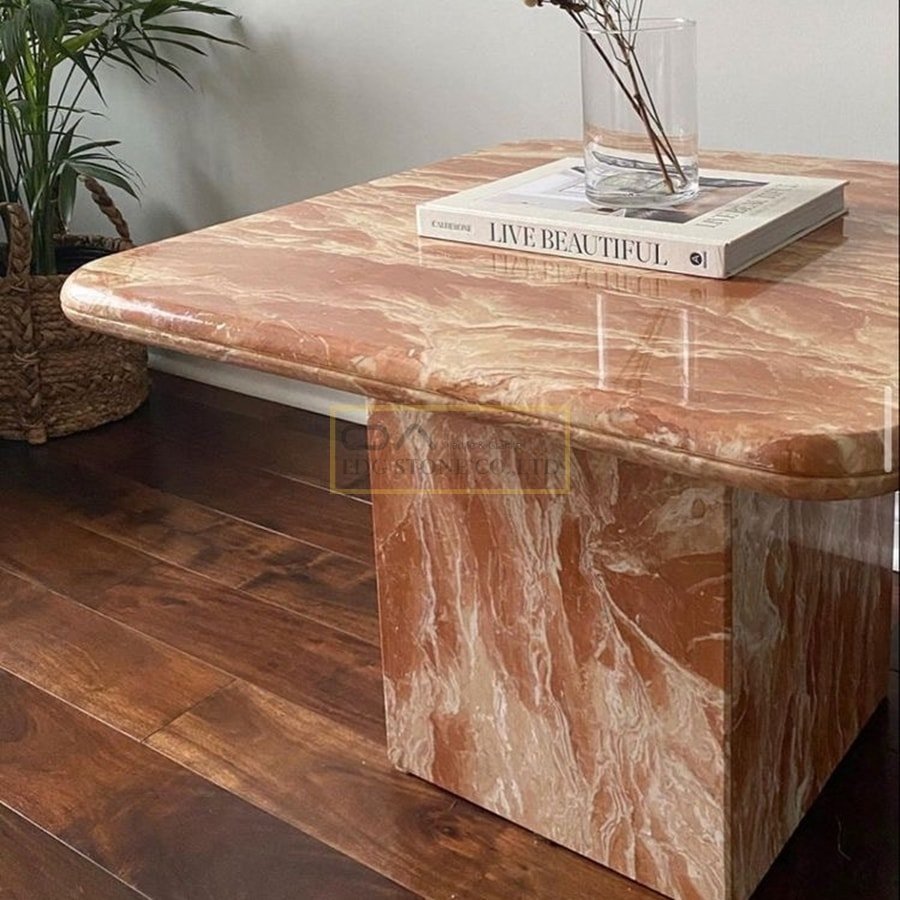
quiet luxury design
Warm Minimalism Decor: What to Add and What to Remove
The “Less but Better” Principle
Warm minimalism is about editing, not eliminating.
Ideal Decor Pairings with Stone Furniture
- Handcrafted ceramics
- Wooden trays
- Neutral-toned vases
- Subtle greenery
Avoid These Mistakes
- Over-decorating surfaces
- Mixing too many materials
- Using high-gloss finishes excessively
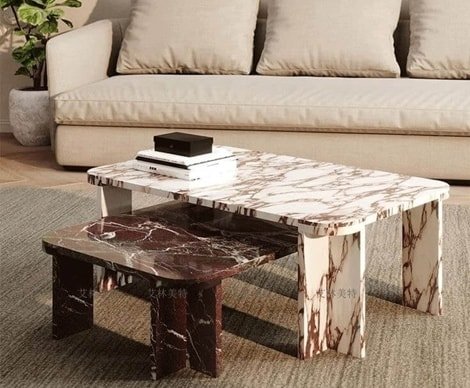
organic modern living room
Warm Minimalism vs Japandi
Similarities
- Minimalist philosophy
- Natural materials
- Neutral palettes
Key Differences
- Warm minimalism leans toward softness and comfort
- Japandi emphasizes structure and contrast
Role of Stone Furniture
- In warm minimalism: soft, integrated
- In Japandi: more defined and architectural
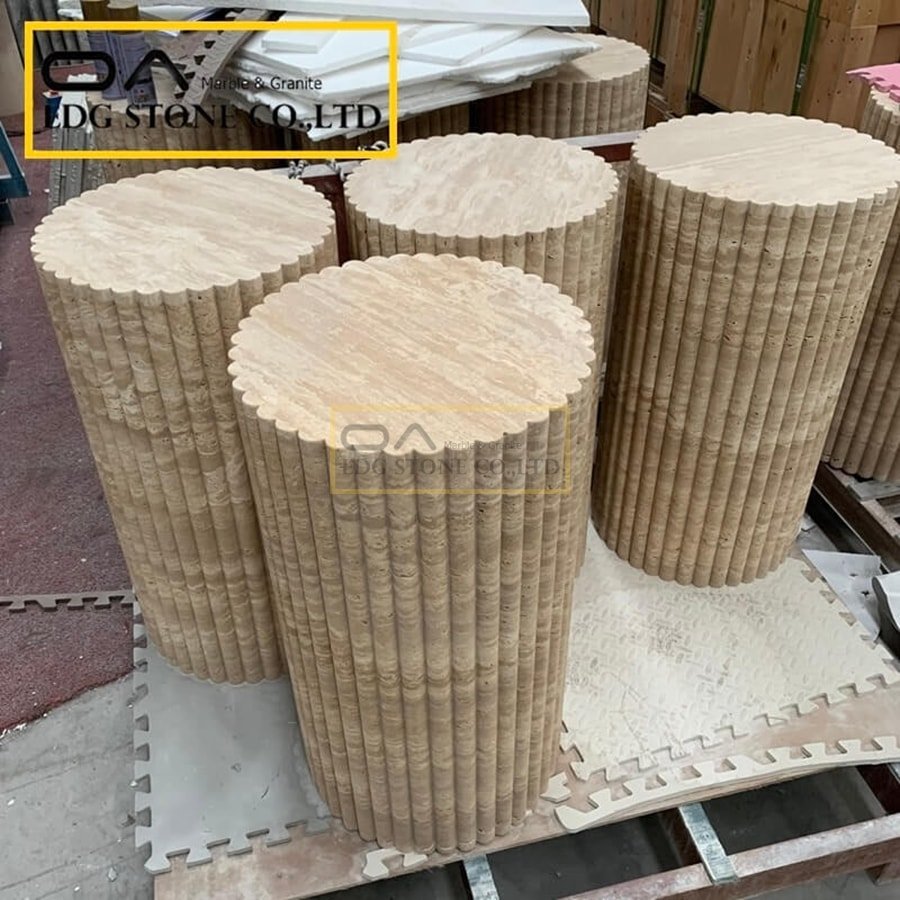
stone furniture supplier
Quiet Luxury Interior Design and Stone Furniture
Quiet luxury is about understated elegance. Stone furniture fits perfectly because it:
- Signals quality without branding
- Ages gracefully
- Maintains timeless appeal
This is especially relevant for:
- High-end residential interiors
- Boutique hotels
- Premium retail spaces
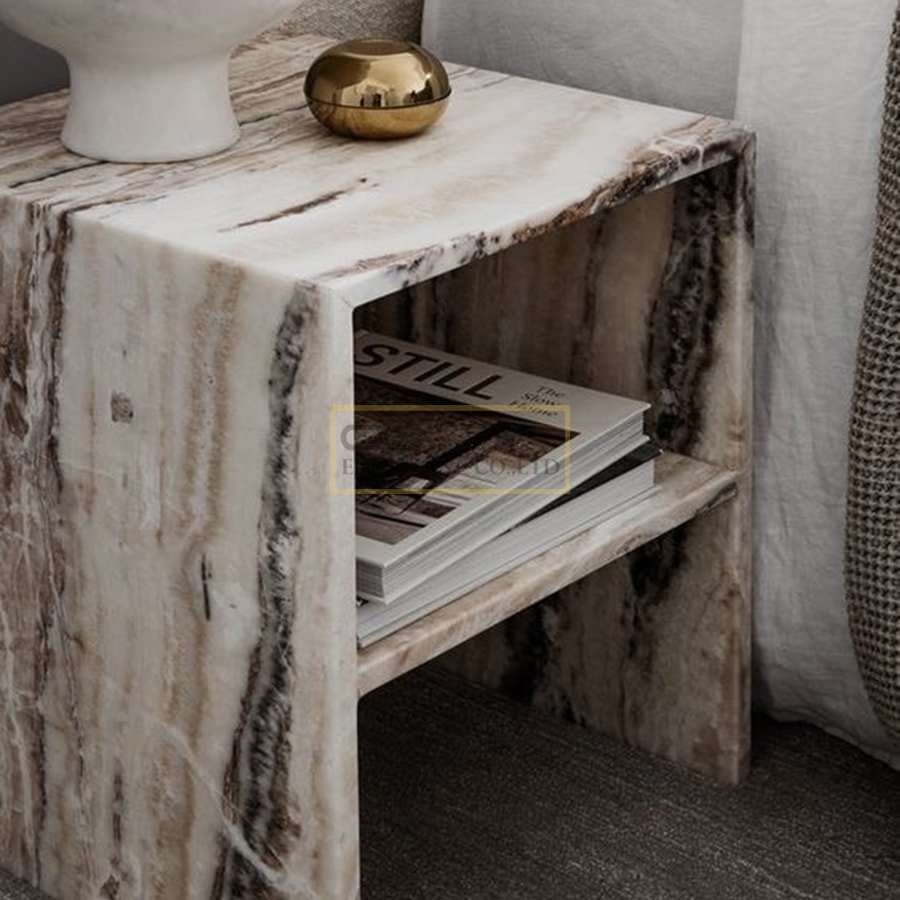
minimalist bedroom design
Choosing the Right Stone Furniture Supplier or Manufacturer
Key Buyer Types
- Stone furniture supplier: Flexible sourcing
- Stone furniture factory: Large-scale production
- Stone furniture manufacturer: Custom capability
- Stone furniture wholesaler: Bulk purchasing
- Stone furniture fabricator: Custom design execution
What to Look For?
- Material consistency
- Craftsmanship quality
- Lead time reliability
- Customization options
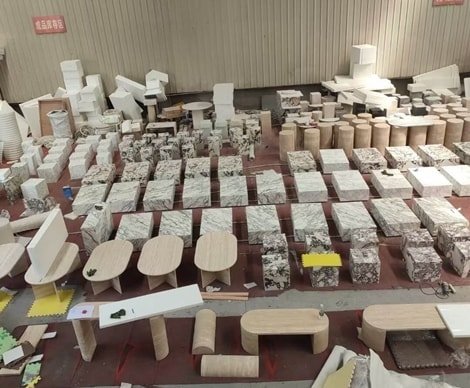
stone furniture factory
Materials, Finishes, and Craftsmanship
Common Stone Types
- Marble: elegant but porous
- Quartzite: durable and natural
- Granite: strong and practical
- Engineered quartz: consistent and low-maintenance
Finishes
- Honed (matte)
- Leathered (textured)
- Polished (glossy)
Warm minimalism typically favors honed and leathered finishes.
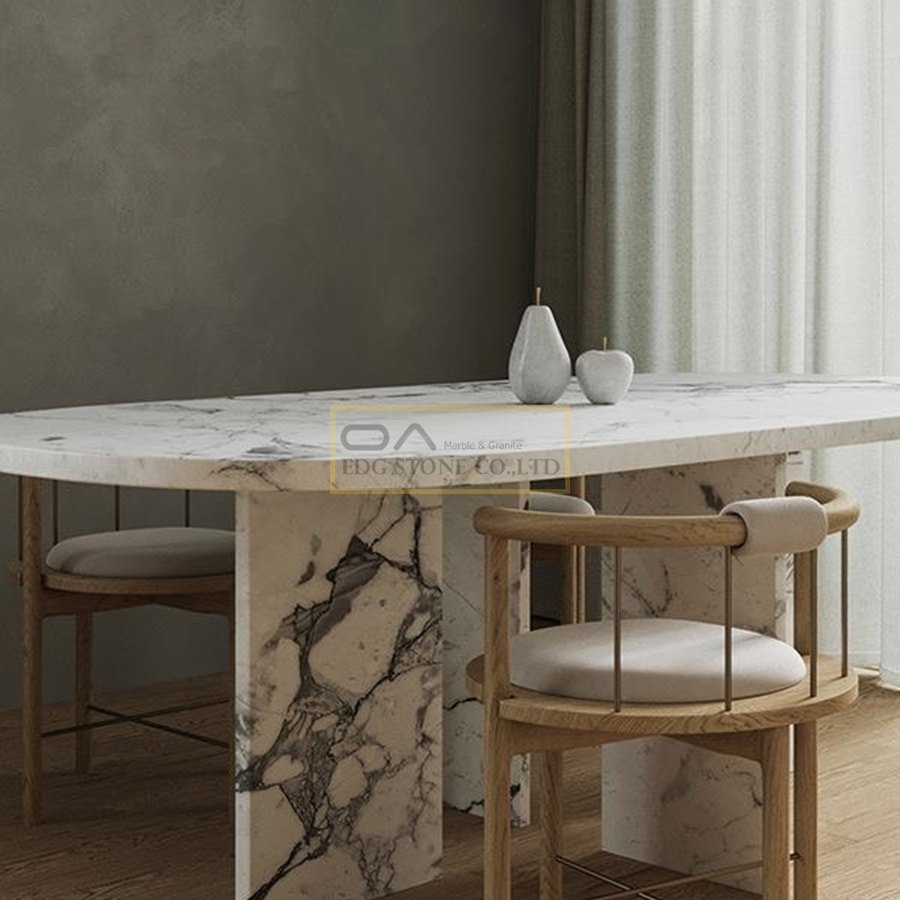
warm minimalism kitchen
Industry Direction: Sustainability and Compliance
Modern stone furniture production is increasingly influenced by:
- Sustainable quarrying practices
- Low-emission processing
- Indoor air quality standards
Buyers are prioritizing:
- Eco-certified materials
- Transparent sourcing
- Long lifecycle products
This aligns perfectly with the philosophy of warm minimalism: fewer, better, longer-lasting pieces.
Buying Guide: How to Source Stone Furniture
Ask These Questions
- What is the origin of the stone?
- What finish is applied?
- Is customization available?
- What is the production lead time?
- Are samples provided?
Project vs Residential Buying
- Residential: aesthetics + practicality
- Commercial: durability + scalability
Conclusion: The Quiet Power of Stone Furniture
Stone furniture is not just a design choice—it is a long-term investment in quality, aesthetics, and sustainability. In a warm minimalist home, it transforms from a heavy material into a refined, calming presence.
The future of interior design is not about more—it is about better. And stone furniture embodies exactly that.
FAQ: Google-Friendly Questions
What is warm minimalism in interior design?
Warm minimalism is a design style that combines simplicity with comfort. It uses neutral colors, natural materials, and soft textures to create a calm and inviting space. Unlike traditional minimalism, it avoids harsh contrasts and emphasizes warmth.
How do you style stone furniture in a warm minimalist living room?
To style stone furniture, balance it with soft materials like rugs and cushions. Use warm lighting and neutral tones to reduce the visual weight of the stone. Keep the layout simple and avoid overcrowding.
Is warm minimalism different from Japandi?
Yes, while both styles share minimalist principles, warm minimalism focuses more on softness and comfort. Japandi blends Japanese and Scandinavian aesthetics and tends to have stronger contrasts and structure.
What stone furniture works best for a minimalist bedroom?
Bedside tables, benches, and low-profile dressers work best. Choose light-colored stone and simple designs to maintain a calm atmosphere. Pair with soft textiles for balance.
How do I choose a stone furniture supplier or manufacturer?
Look for experience, material quality, and customization capabilities. A reliable supplier should offer consistent quality, clear communication, and flexible solutions for different project needs.
How Stone Furniture Defines Warm Minimalist Living?
What it is:
Stone furniture in warm minimalist interiors is not just functional—it is a structural design element that anchors space, defines proportion, and introduces natural texture.
Why it matters:
As design trends shift toward quiet luxury and sustainability, stone furniture offers durability, authenticity, and timeless appeal. It reduces the need for frequent replacement, aligning with eco-conscious living.
How to apply it:
Use stone furniture selectively—one or two focal pieces per room. Combine with warm textiles, neutral palettes, and indirect lighting to soften its visual weight.
What to avoid:
Avoid overusing stone or combining it with overly cold materials like high-gloss metals or stark white finishes. This breaks the warm minimalist balance.
Best options:
Honed marble, travertine, and quartzite with soft beige tones are ideal. Custom fabrication allows better integration into specific layouts.
Key considerations:
Buyers should evaluate supplier reliability, sustainability certifications, and craftsmanship details. Long-term value depends on both material quality and production expertise.
Reference
- “The Rise of Warm Minimalism in Interior Design” – Architectural Digest Editorial Team – Architectural Digest
- “Natural Materials in Modern Interiors” – Dezeen Studio – Dezeen
- “Quiet Luxury and Material-Led Design” – Elle Decor Editors – Elle Decor
- “Sustainable Stone Practices” – Natural Stone Institute – NSI
- “Interior Design Trends Report” – WGSN – WGSN Insights
- “Minimalist Living and Material Psychology” – Journal of Interior Design – Wiley
- “Healthy Materials and Indoor Air Quality” – U.S. Green Building Council – USGBC
about
avada factory
Sempery ultricies nibh at dolor cras urna eleifend nec. Atiam efficitur tempor.