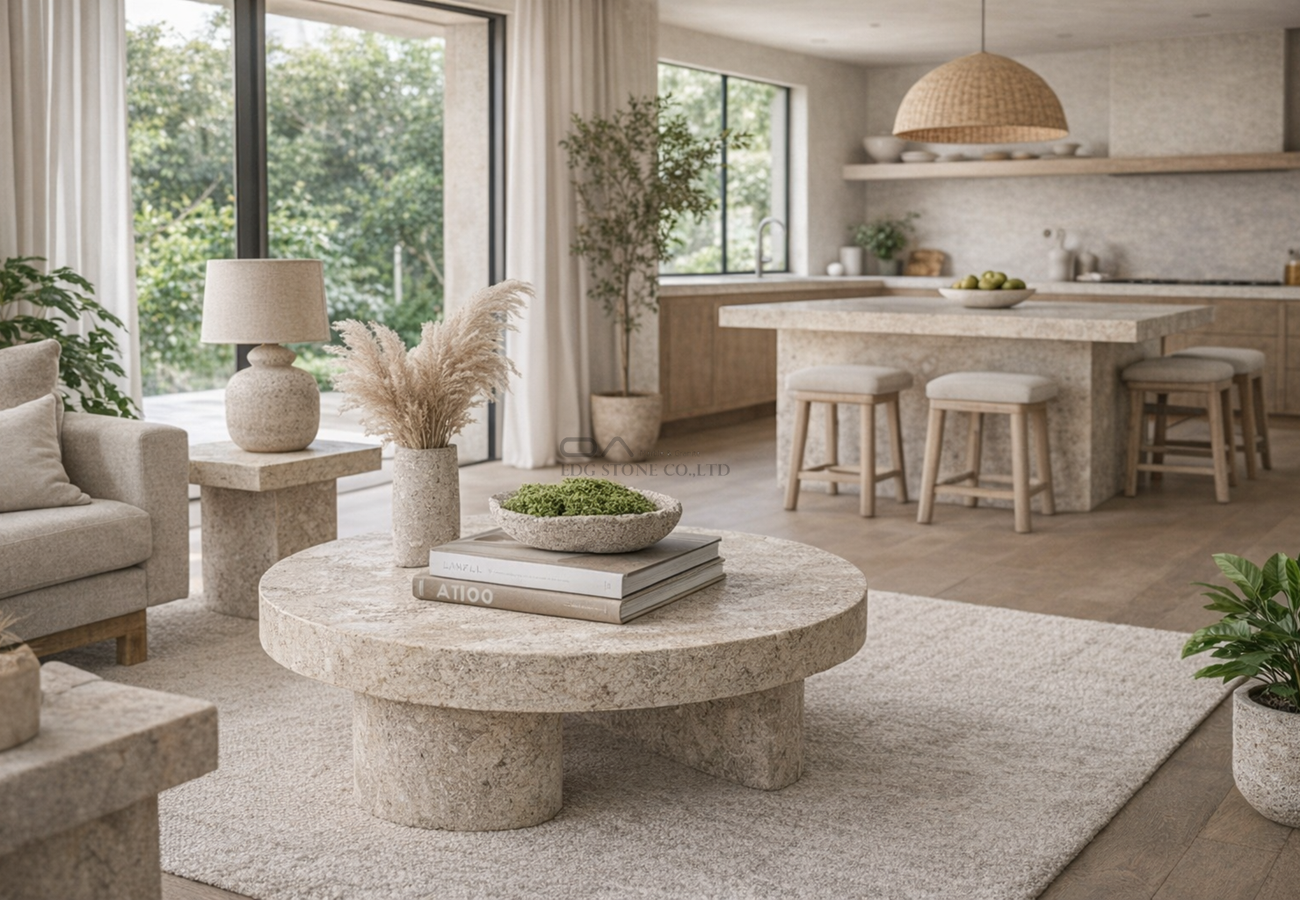
Why Natural Stone Still Matters in Sustainable Interiors?
Natural stone remains relevant because it performs well over time, supports premium interior design, and can be specified with greater transparency through EPDs, responsible sourcing programs, and lifecycle documentation.
What it offers: durability, timeless aesthetics, material efficiency, and a strong fit for flooring, furniture, and architectural surfaces.
Why buyers care: designers, builders, and wholesale buyers increasingly need products that look beautiful, last longer, and align with current sustainability expectations.
What to evaluate: quarry source, fabrication practice, transport distance, material transparency, and whether the supplier can support project-level documentation.
Eco-friendly interiors are no longer defined by color palettes, indoor plants, and recycled décor alone. Today, sustainable design depends on how long a material lasts, how it is sourced, what emissions are associated with it, and whether it can support responsible building practices across the whole lifecycle. Natural stone sits in the center of that conversation because it is durable, recyclable, and increasingly supported by transparency tools such as environmental product declarations, embodied-carbon resources, and responsible sourcing standards. The U.S. Green Building Council’s LEED v4.1 framework emphasizes life-cycle information, responsible extraction, material ingredients, and full-project lifecycle analysis, while the Natural Stone Institute continues to publish stone-specific sustainability resources and standards.
For brands like Sunlife Stone, this is not just a design story. It is a market position. Buyers searching for sustainable stone, eco-friendly interior design materials, a stone furniture manufacturer, or sustainable stone flooring are not asking for vague green claims. They want evidence, project suitability, and a product that performs in the real world. The strongest natural stone suppliers are now expected to speak the language of lifecycle performance, sourcing transparency, and long-term value, not only texture and color.
What Makes Natural Stone an Eco-Friendly Interior Material?
Natural stone is often described as an environmentally friendly material because it comes directly from the earth and does not rely on petrochemical binders in the same way many synthetic surfaces do. The Natural Stone Institute states that natural stone is not factory-made, is 100% recyclable, and does not emit VOCs into the home, which is one reason it continues to be positioned as a “green building material.” More importantly, natural stone can remain in service for decades, which reduces replacement frequency and the hidden environmental burden of repeated renovation.
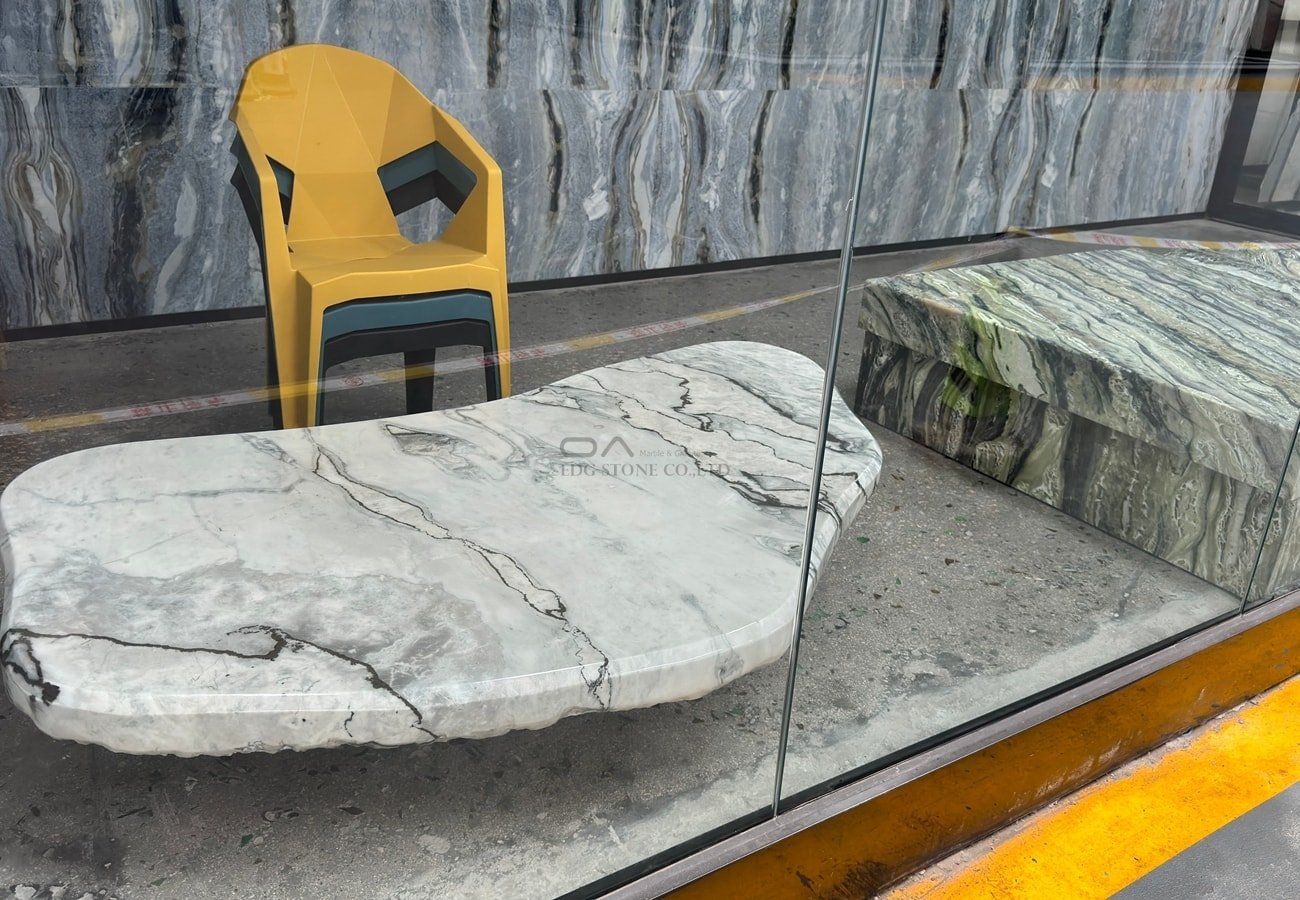
sustainable stone
Long service life is a sustainability advantage
A material that lasts longer usually has a lower practical environmental cost over time because the project does not need to be replaced as often. That matters in residential interiors, hotels, offices, and retail spaces where flooring and furniture are exposed to constant use. Natural stone flooring and stone furniture can therefore support eco interior design by combining longevity with visual permanence. The sustainability argument is not that stone is impact-free, but that its lifespan can offset many short-term, disposable alternatives.
Recyclability and reuse strengthen the case
Natural stone can often be reused, repurposed, or reclaimed when interiors are renovated. In practice, this means old slabs may be re-cut for new counters, wall features, side tables, or accent furniture rather than discarded. This reuse potential is one reason many designers see natural stone as a strong fit for circular design thinking, where materials are kept in service longer, and waste is reduced. The Natural Stone Institute’s sustainability resources and EPD library reinforce that stone is now being discussed through a lifecycle lens, not only a style lens.
Sustainable Stone in Modern Interior Design
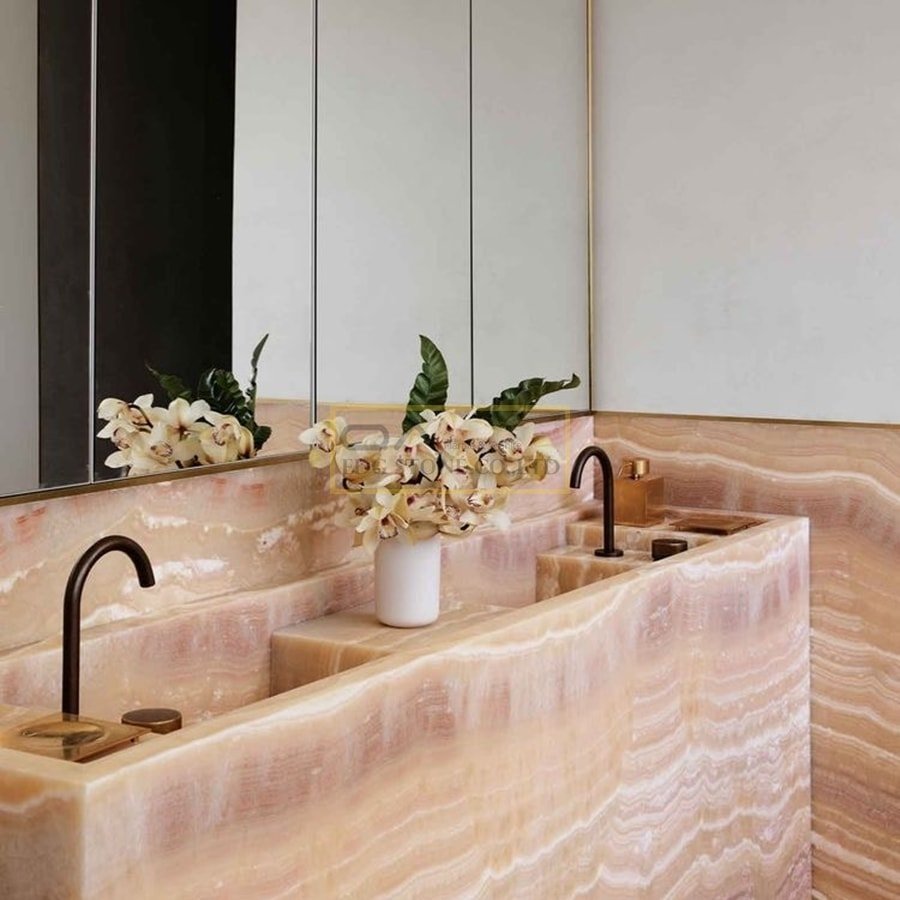
Sustainable stone is especially effective when it is used in applications where durability matters most. Flooring, table tops, benches, consoles, wall panels, and bathroom surfaces all benefit from a material that does not wear out quickly. This is where sustainable stone flooring and sustainable stone furniture become part of a broader eco-friendly interior strategy rather than isolated product choices.
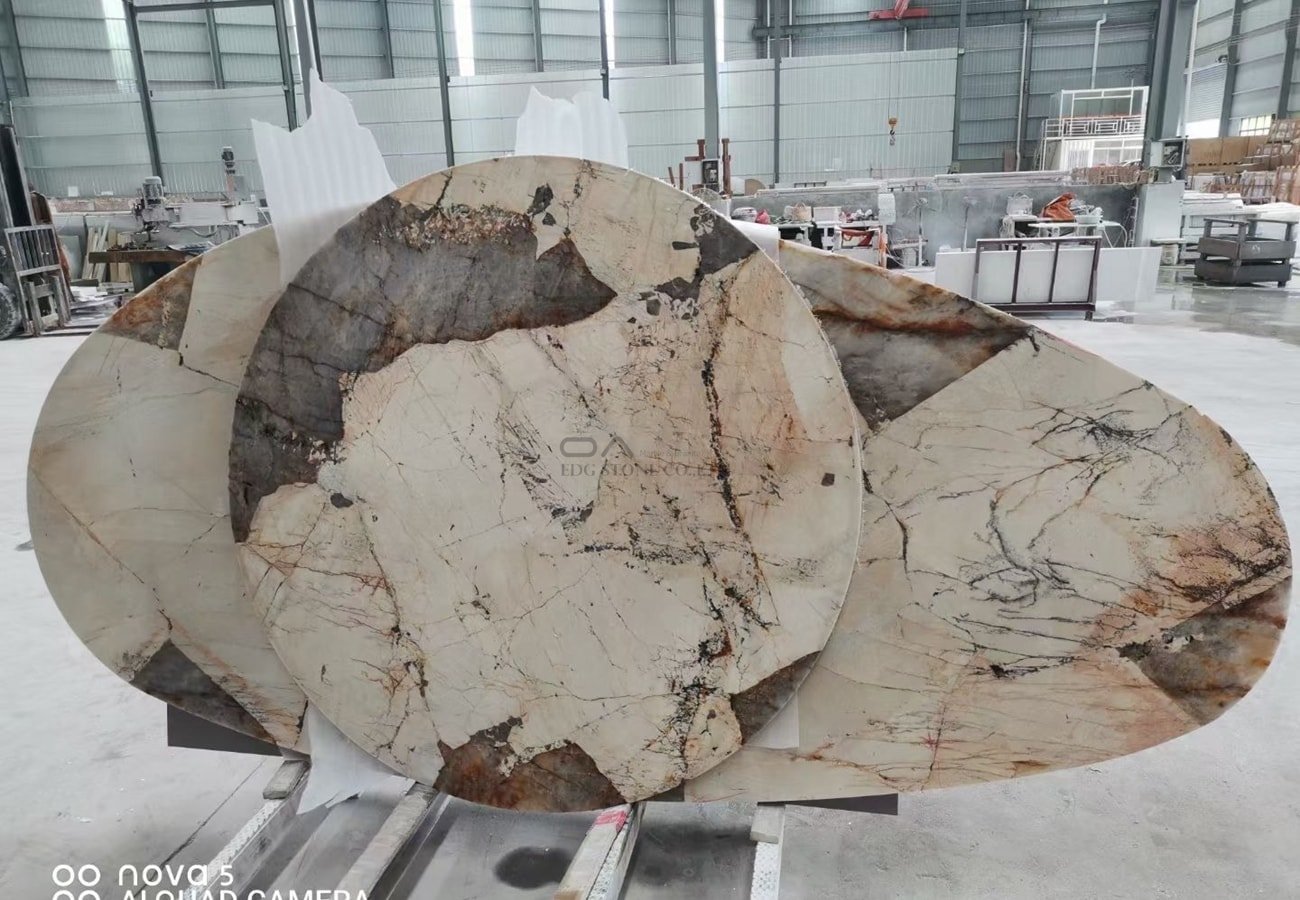
eco friendly interiors
Sustainable stone flooring
Stone flooring is one of the strongest examples of environmental sustainability in interior design elements because it can serve for a very long period with proper care. A long-lasting floor reduces the need for frequent replacement, adhesive use, disposal, and repeat manufacturing. In high-traffic interiors, stone flooring can also preserve its appearance better than many short-life surface products, which helps keep a space functional without major renovation cycles.
Sustainable stone furniture
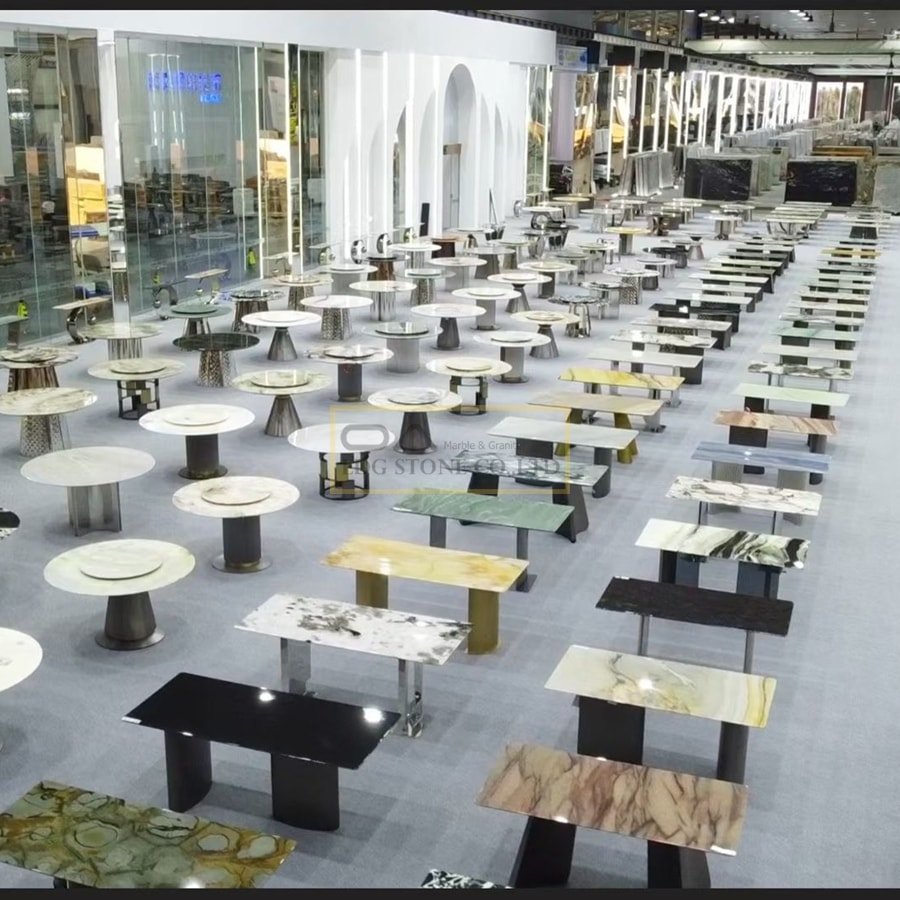
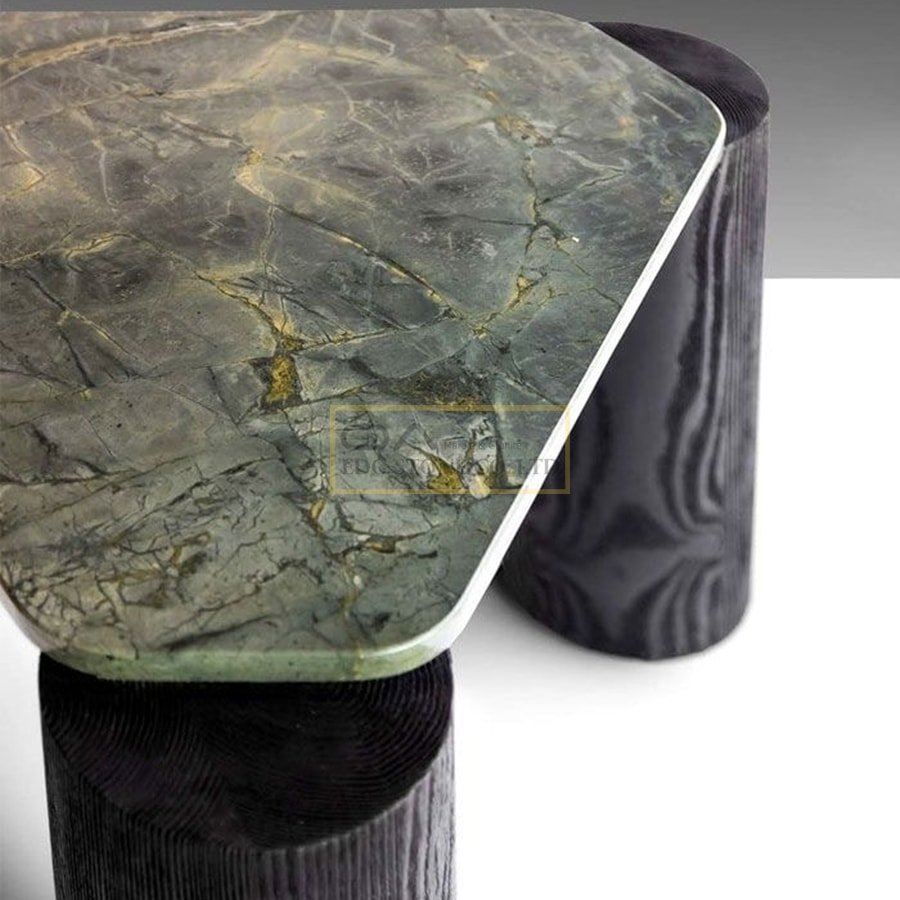
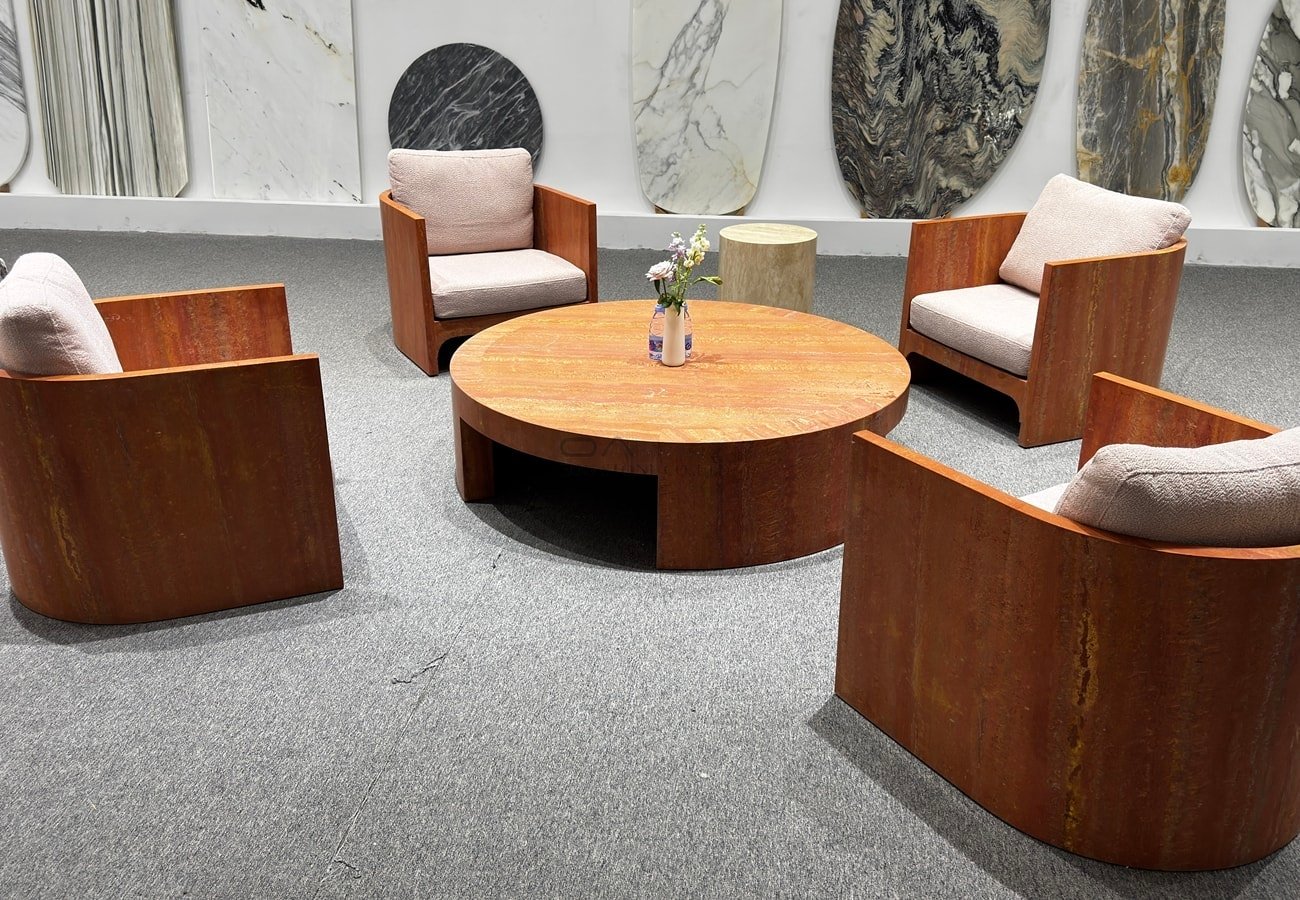
Stone furniture has moved from niche luxury to a recognizable premium interior category. Coffee tables, side tables, benches, consoles, and decorative plinths made from stone create a strong visual anchor while also offering long service life. A stone furniture manufacturer or stone furniture supplier that understands sustainability should be able to explain material sourcing, fabrication yield, and packaging efficiency, because furniture sustainability is not only about the final object but also about how it is made and delivered.
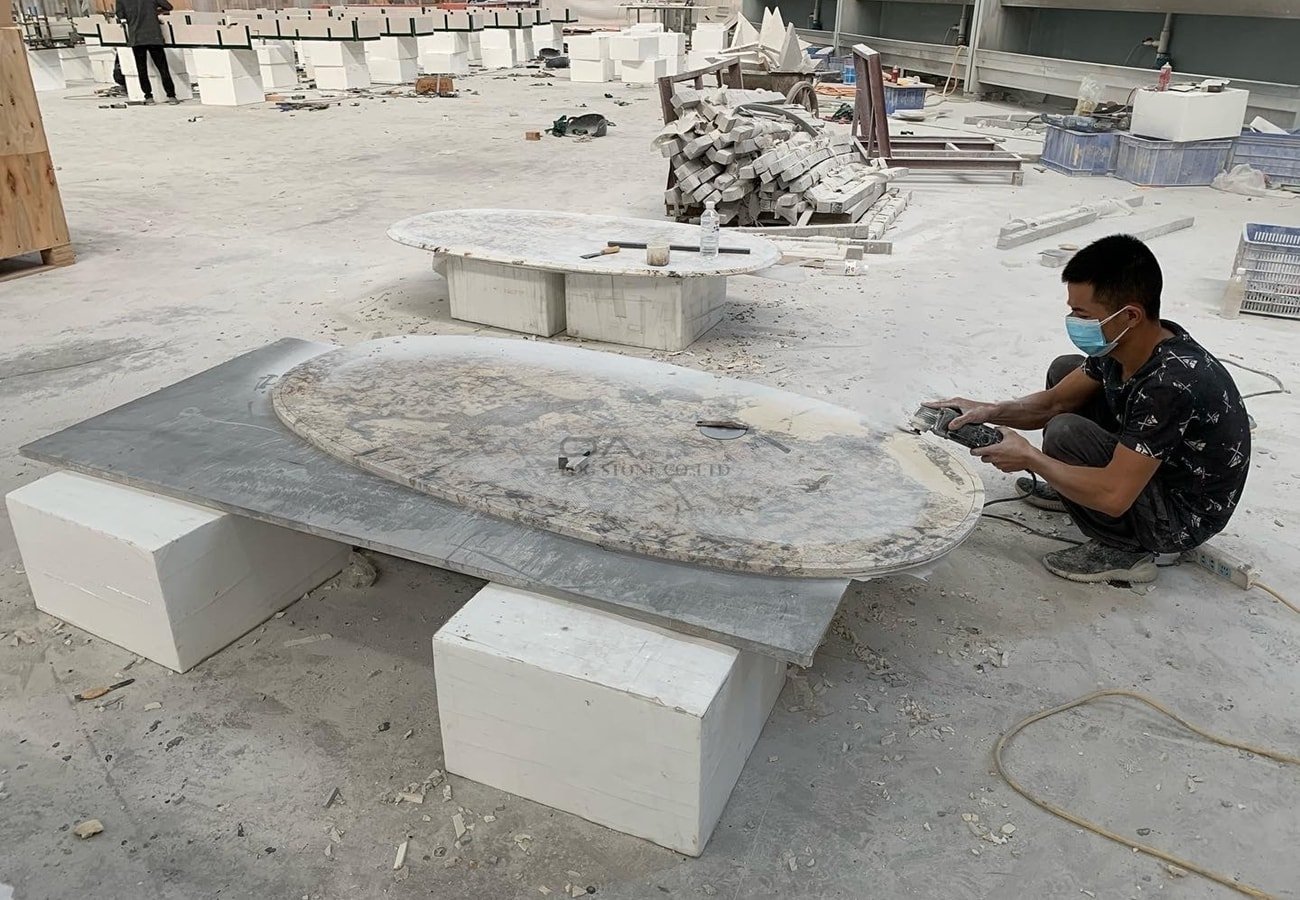
eco interior design
Why stone works in eco interior design?
Eco interior design often favors materials that are calm, timeless, low-maintenance, and compatible with responsible sourcing. Natural stone fits that profile well because it does not rely on trends to remain attractive. In practice, this means a natural stone table or floor can survive multiple design refreshes without needing replacement, which is a real sustainability advantage in both homes and commercial settings.
Stone furniture in residential and commercial spaces
In homes, stone furniture can support a minimal, biophilic, and durable interior style. In hotels and hospitality projects, it adds a sense of permanence and quality while standing up to repeated use. In offices and retail spaces, stone furniture and stone surfaces can reduce maintenance demands and support a more refined brand image at the same time. That combination of longevity and aesthetics is why stone continues to be specified in luxury eco interior design products.
Material Comparison: Natural Stone vs Other Interior Materials
The environmental value of any material depends on how it is made, how long it lasts, and how often it needs to be replaced. That is why the answer to “Is natural stone environmentally friendly?” should be honest rather than promotional. Natural stone has clear sustainability strengths, but it should be compared through lifecycle thinking, not through surface-level marketing claims.
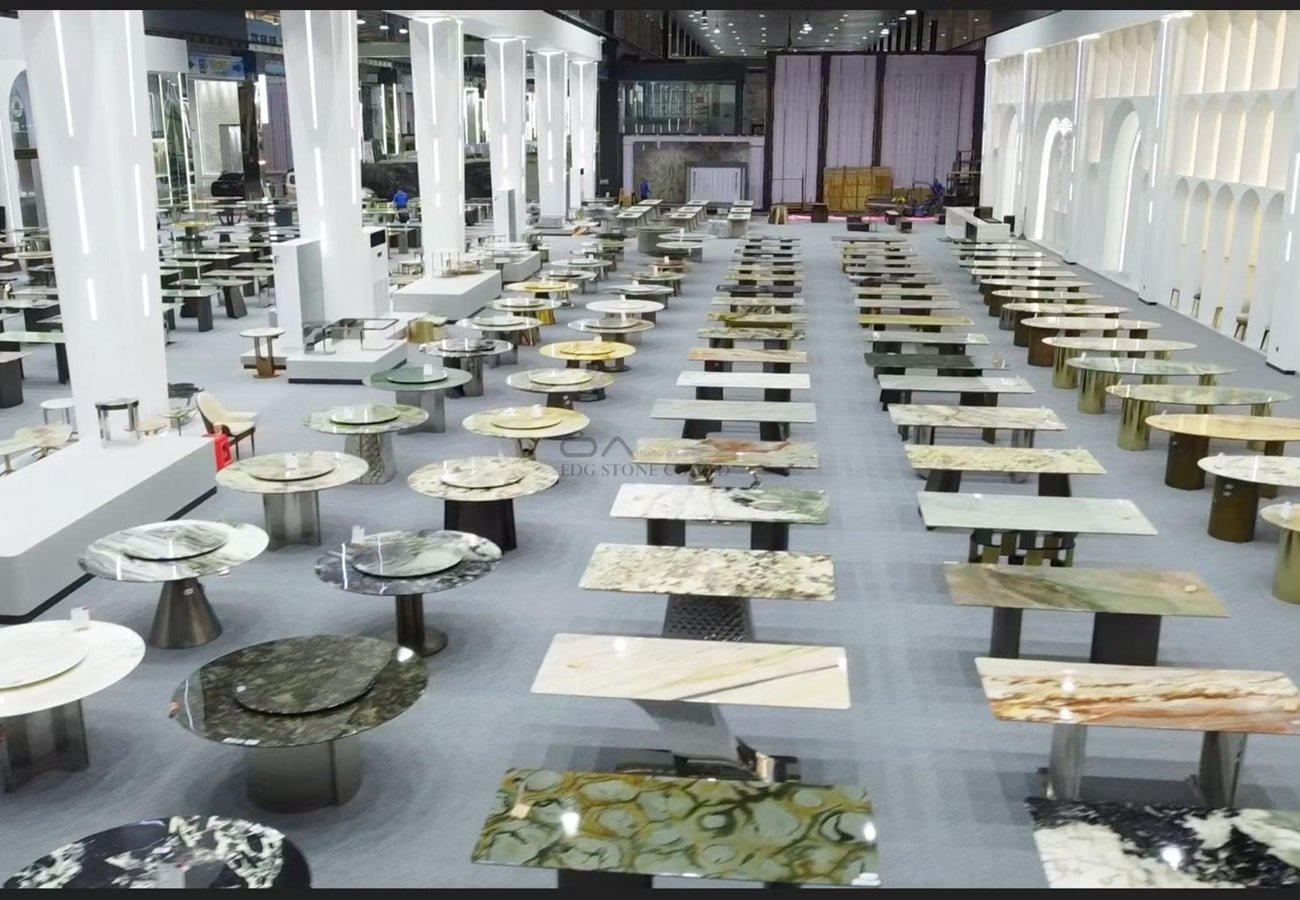
sustainable stone furniture
Stone vs short-life decorative materials
Many interior products look attractive at first, but wear out quickly, peel, discolor, or fail under daily use. Every replacement cycle adds transport, packaging, labor, and disposal impacts. Natural stone, by contrast, is often chosen because it can keep its appearance and function for far longer, which makes it a practical option for projects trying to reduce overall material turnover.
Stone vs synthetic materials
Synthetic surfaces can offer convenience and lower upfront cost, but they may depend on more complex chemistry, factory processing, and shorter service life. The Natural Stone Institute notes that natural stone’s global warming potential is lower than several more complex manufactured materials in its embodied-carbon comparison resources, including engineered quartz countertops, precast concrete cladding, and terrazzo flooring. That does not mean every stone project is automatically lower-impact, but it does show why stone remains competitive in sustainability discussions.
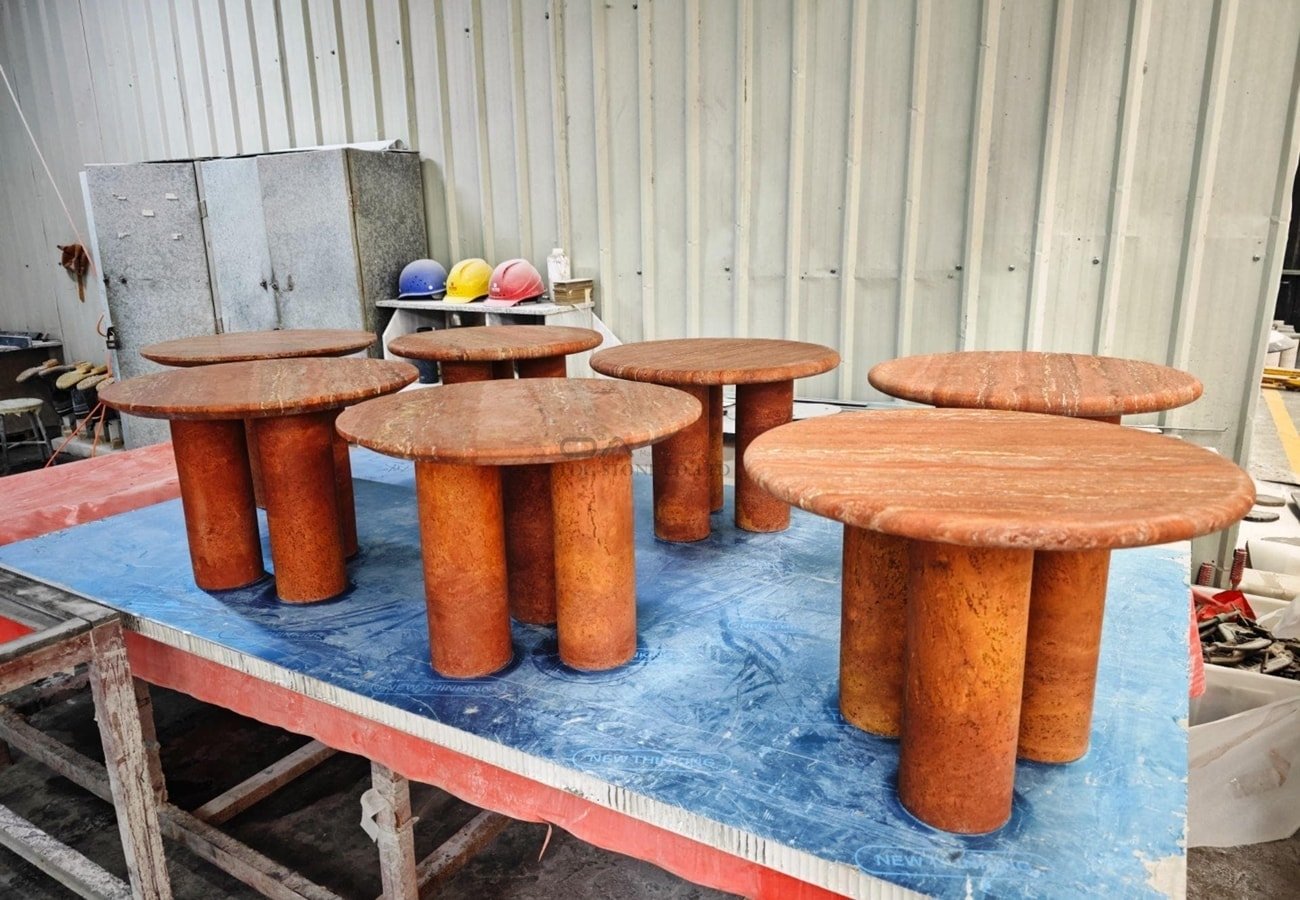
stone furniture manufacturer
What buyers should remember?
The best choice is not always the most expensive or the most “natural” sounding. The best choice is the one that balances durability, transparency, service life, and the actual needs of the project. For many interiors, natural stone performs well because it can be both beautiful and efficient over time.
Manufacturing, Factory, and Wholesale Perspective
Sustainability does not stop at the quarry gate. It continues through fabrication, packaging, logistics, and installation. That is why buyers searching for a stone furniture factory, a stone furniture manufacturer, a stone furniture wholesaler, or a stone furniture supplier should ask not only about product design, but also about waste control, transportation, and documentation. The Natural Stone Institute’s sustainability resources point to EPDs, embodied carbon, responsible manufacturing, and certified sourcing as part of the modern stone supply chain.
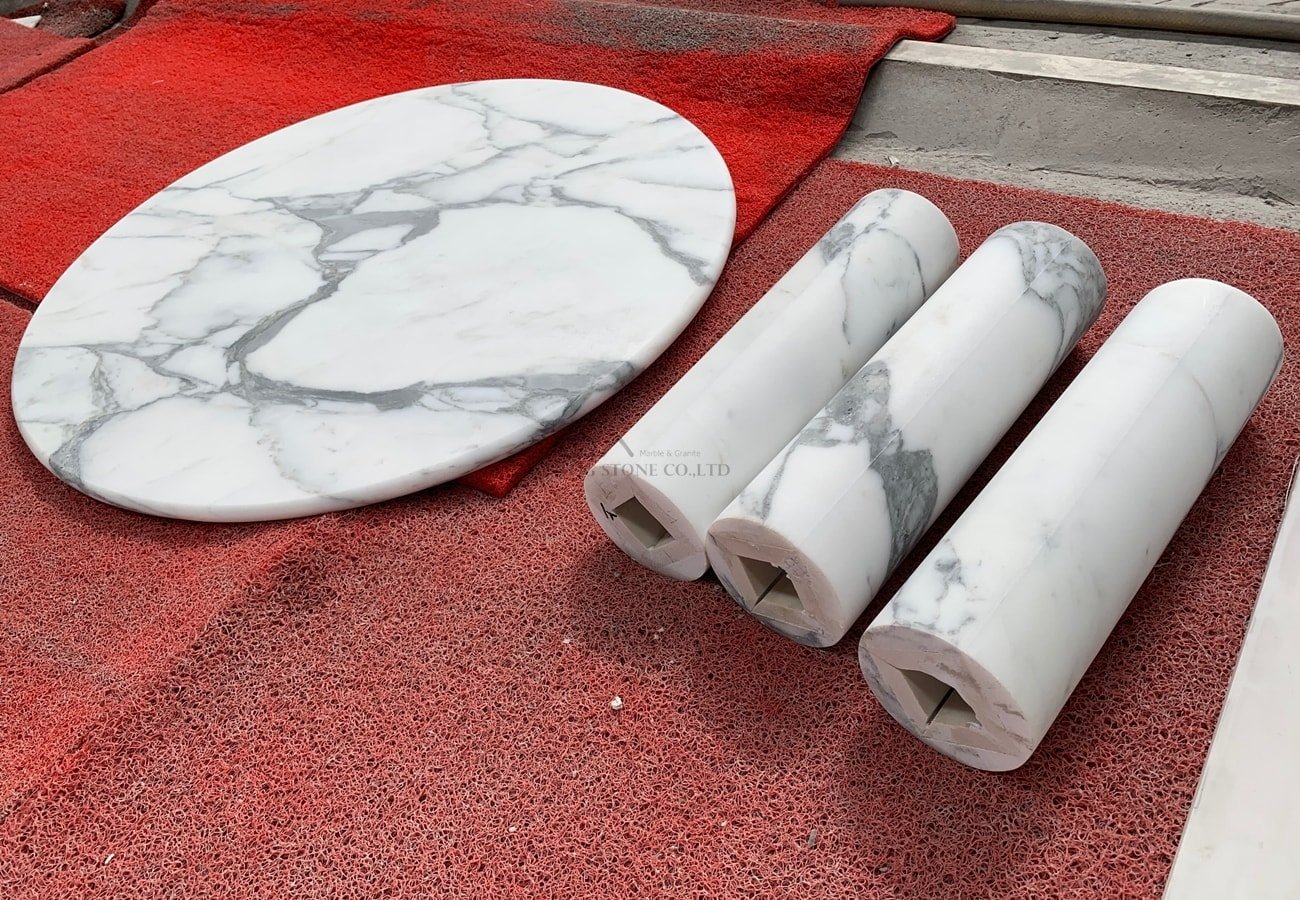
stone furniture supplier
Why factory efficiency matters?
A stone furniture factory that optimizes cutting patterns, minimizes offcuts, reuses remnants, and packages efficiently can reduce waste significantly. In sustainable interior projects, yield matters because every square meter of usable stone extracted from the raw block represents more value and less waste. The most credible suppliers are the ones that can explain their material utilization, not just show a polished final product.
Why wholesale buyers should care about documentation?
Wholesale buyers often need repeatable quality across many units, which means sustainability must be scalable. A strong stone furniture wholesaler should be able to support product consistency, origin traceability, and project documentation. LEED v4.1 also pushes the market in this direction by rewarding product life-cycle information, responsible sourcing, and life cycle analysis based on ISO 14044-compliant methods.
Eco-friendly interior design products are now evidence-based
The phrase eco-friendly interior design products used to be mostly marketing language. Now it is increasingly tied to measurable data, such as EPDs, material ingredients, and lifecycle impacts. That change benefits buyers because it allows them to compare products more honestly and choose materials that align with real project goals instead of vague sustainability claims.
Is Natural Stone Environmentally Friendly?
The honest answer is yes, often, but not automatically. Natural stone can be environmentally friendly when it is sourced responsibly, fabricated efficiently, specified for long service life, and documented properly. It becomes less compelling when transport is excessive, waste is high, or the project ignores lifecycle thinking. That is why sustainability should be treated as a system, not a label.
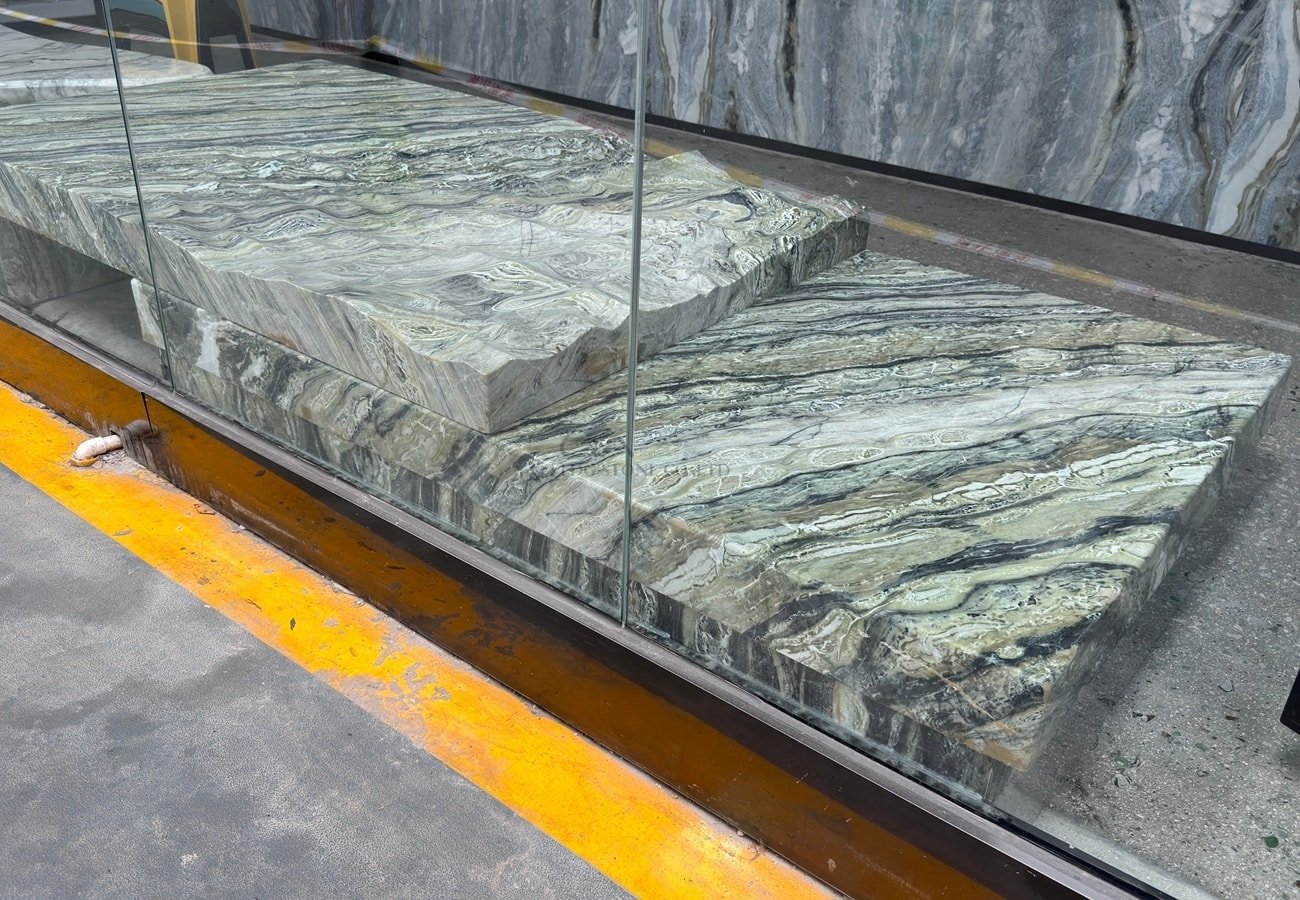
green building materials
The strongest environmental advantages
Natural stone brings several advantages to eco-friendly interiors: long lifespan, recyclability, low VOC concerns in use, and strong visual durability. It also supports projects that want to reduce the churn of renovation and replacement. For designers focused on eco interior design, these qualities are important because they help create interiors that age gracefully rather than require constant renewal.
The trade-offs
Stone must be quarried, transported, cut, finished, and installed, and all of those steps have environmental implications. Transport distance can matter, fabrication efficiency can matter, and sourcing decisions can matter. The most sustainable stone solution is often the one that pairs responsible quarrying with responsible manufacturing and realistic project planning.
Why is the market changing now?
The market is moving toward proof. LEED v4.1’s interior design and construction framework now leans heavily into life-cycle information, responsible sourcing, and product transparency. That means suppliers who can document where their stone comes from, how it is manufactured, and what environmental profile it has will be better positioned in premium and commercial projects.
Regulatory Direction and Industry Trends
Sustainable interiors are increasingly shaped by documentation standards rather than just aesthetic preferences. LEED v4.1 credits for products with verified life-cycle information, responsible sourcing, material ingredients, and LCA-based optimization show where the industry is heading. In the 2025 addenda, USGBC further emphasizes ISO 14044-compliant lifecycle analysis, extensive material data coverage, and baseline-versus-proposed comparisons for interiors projects.
Sunlife Stone
What does this mean for stone suppliers?
Stone brands are now expected to provide more than polished slabs and product photos. They may need to support EPDs, explain material provenance, and help project teams document transparency and sourcing credits. The Natural Stone Institute’s sustainability resources and standard-use guidance show how certified quarries and fabrication facilities can support green building schemes, including LEED and Living Building Challenge.
What does this mean for designers and builders?
Design teams need products that can pass both aesthetic review and sustainability review. That includes low-emitting materials, responsible sourcing, and lifecycle impacts. For interior projects, natural stone is strongest when it is part of a documented strategy rather than a decorative afterthought.
Why does the eco-friendly stone paper keyword appear in the market?
Adjacent mineral-based products, such as eco-friendly stone paper, reflect a broader market interest in lower-resource alternatives. Even though stone paper is not the same as natural stone surfaces, the keyword trend shows that buyers are increasingly looking for materials that feel innovative, lower-waste, and environmentally conscious. That wider demand supports the continued relevance of sustainable stone in interiors.
Buying Guide for Designers, Contractors, and Wholesale Buyers
If you are sourcing for a project, the most important questions are practical ones. What is the quarry source? Does the stone furniture manufacturer provide documentation? Can the stone furniture supplier support factory-level consistency? Are the products suitable for wholesale projects with repeat orders? These questions matter because sustainability only holds up when quality, traceability, and execution are consistent.
sustainable stone flooring
Questions to ask a supplier
Ask whether the stone is responsibly sourced, whether EPDs or similar documentation are available, whether fabrication waste is minimized, and whether packaging and shipping are designed for efficiency. If the supplier cannot answer these questions clearly, the sustainability story is incomplete. For Sunlife Stone or any premium stone brand, clarity on these points is a competitive advantage.
Questions to ask a manufacturer or factory
Ask how the factory handles yield, recycling, finishing dust, water use, and offcut reuse. A serious stone furniture factory should be able to describe its production workflow in a way that supports both quality assurance and sustainability. The more transparent the process, the more credible the eco-friendly claim becomes.
How to evaluate sustainable stone flooring?
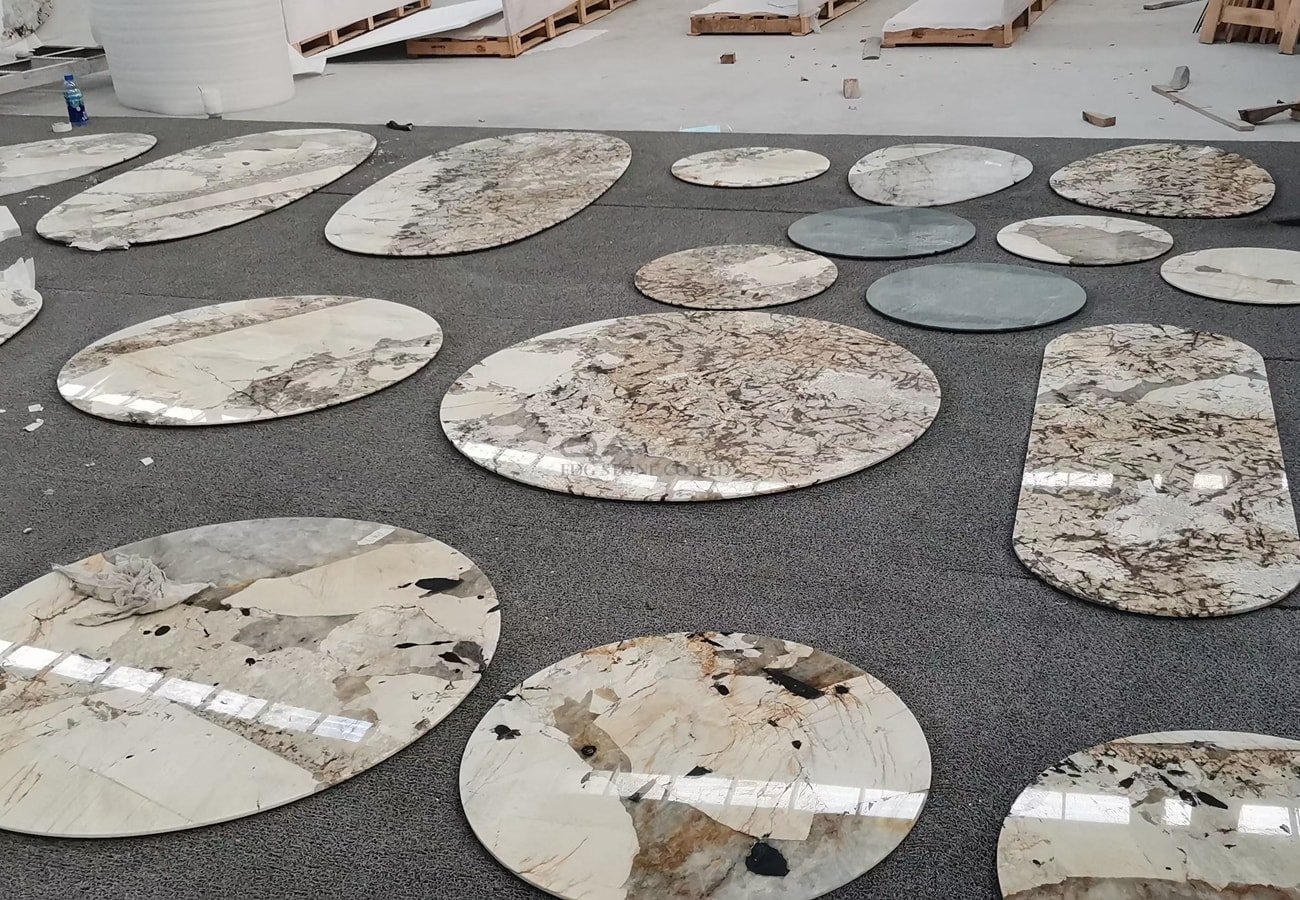
For flooring, consider service life, maintenance, finish performance, and the availability of documentation. Stone flooring is most sustainable when it lasts for decades and can be maintained without frequent replacement. That is one reason it continues to perform well in both high-end residential and commercial interiors.
How Sunlife Stone Fits the Eco-Friendly Interior Story?
Sunlife Stone can position itself as more than a product supplier. It can present itself as a sustainability-aware partner for eco interior design, sustainable stone flooring, and stone furniture projects. That positioning works best when the product story includes sourcing clarity, fabrication discipline, and material performance in real interiors.
Why this matters for conversion
Modern buyers want proof that the beautiful surface they are considering also fits the values of the project. When a brand can explain why natural stone is environmentally friendly in a real, specific, and measured way, it builds trust. That trust can support stronger rankings, better AI summaries, and more qualified leads.
FAQ
What makes natural stone eco-friendly?
Natural stone is considered eco-friendly because it is durable, recyclable, and able to stay in service for a very long time. The Natural Stone Institute also notes that natural stone does not emit VOCs into the home and is not factory-bonded with petroleum-based resins. In sustainable interiors, long life and low replacement frequency are major advantages.
Is natural stone environmentally friendly?
Yes, natural stone can be environmentally friendly, but the full answer depends on sourcing, transport, fabrication efficiency, and how the material is used. LEED and the Natural Stone Institute both show that responsible sourcing and life-cycle information are now central to the discussion. The most sustainable stone choice is the one that combines long service life with transparent production.
What is sustainable stone furniture?
Sustainable stone furniture is furniture made from stone that is designed for long-term use, efficient fabrication, and responsible sourcing. Examples include stone coffee tables, benches, side tables, and consoles. Its sustainability comes from durability, reuse potential, and the ability to remain relevant across multiple design cycles.
Why is stone furniture considered a strong choice for eco interior design?
Stone furniture works well in eco interior design because it is visually timeless and physically durable. A well-made stone piece can last for years without needing replacement, which reduces material turnover and waste. It also supports premium design without relying on short-lived decorative trends.
How should buyers evaluate a stone furniture manufacturer or supplier?
Buyers should ask about quarry source, fabrication process, material transparency, and documentation such as EPDs or sustainability standards. A good stone furniture manufacturer or stone furniture supplier should be able to explain how waste is reduced and how consistency is maintained, especially for wholesale or multi-unit projects. Clear documentation is now a major part of sustainable product selection.
Reference
-
U.S. Green Building Council — LEED v4.1 Interior Design and Construction.
-
U.S. Green Building Council — LEED v4.1 Interior Design and Construction Addenda (November 3, 2025).
-
U.S. Environmental Protection Agency — White Paper on Sustainability.
-
U.S. Green Building Council — Advancing healthy interiors with LEED v4.1.
about
avada factory
Sempery ultricies nibh at dolor cras urna eleifend nec. Atiam efficitur tempor.