Why rare luxury stones matter in high-end furniture and interiors?
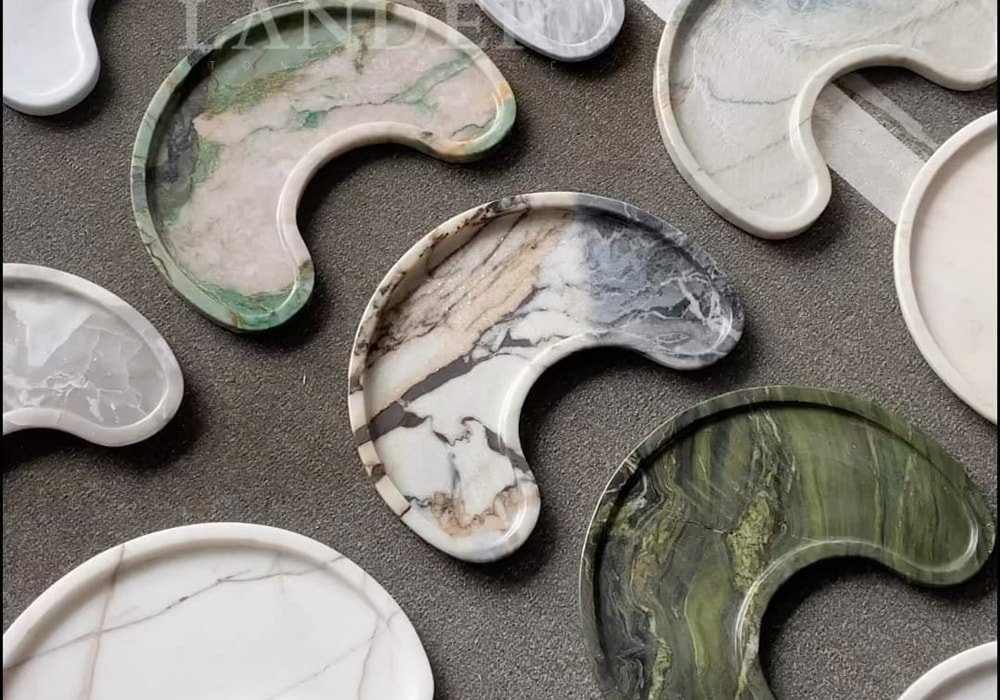
Rare stones convey narratives—geologic history, cultural influence, and scarcity—that instantly reframe a piece of furniture into an objet d’art. In luxury furniture, the stone becomes the protagonist: a slab of imperial jade, a bookmatched lapis top, or an alexandrite inlay signals months or years of sourcing, specialist fabrication, and a clientele for whom uniqueness and provenance matter. Beyond visual impact, rare stones often bring unusual optical qualities—chatoyance, translucence, or dramatic breccia—that are impossible to replicate synthetically at a convincing scale. For makers and brands, rare-stone pieces allow premium pricing, limited edition series, and compelling storytelling that supports gallery and direct-to-client sales. For collectors, rarity equals long-term desirability and potential value appreciation.
Sunlife Stone
Ranking methodology & selection criteria
“Rarest” here is defined by a combination of geological scarcity, commercial availability for dimension slabs, documented historical use in decorative or artistic contexts, and the frequency with which material appears in bespoke furniture projects. Stones that are geologically rare but unavailable in slab form (microminerals, very small gem crystals) are deprioritized in favor of stones that can realistically be used for tabletops, veneers, fireplace surrounds, or inlays. Additional criteria include: ethical sourcing risk (protected or politically sensitive quarries), difficulty of fabrication (brittle, translucent, or porous stones that require stabilization), and documented market prices or anecdotes from high-end auctions and bespoke artisans. The list thus balances romance, practical usability, and real economic indicators that affect buyers and manufacturers.
rare luxury stones
The Top 10 Rarest Luxury Stones (profiles & use cases)
Below are the Top 10 rare luxury stones selected for their combination of scarcity, desirability, and practical application in high-end furniture. Each profile covers geology, rarity drivers, designer uses, manufacturing considerations, price signals, and care notes.
1. Alexandrite (gem-quality and large masses)
Alexandrite is famed for its dramatic color-change—green in daylight to red/berry under incandescent light. Gem-quality alexandrite faceted stones are already rare; large, translucent masses suitable for inlay, thin slices, or small tabletops are exceptionally rare. When specimen slabs exist, they’re prized for small decorative inlays, inset tabletop medallions, or jewel-like accent panels framed in metal. Rarity drivers include extremely limited sources and complex formation conditions; quality pieces were historically found in Russia’s Ural region, with later deposits in Brazil and Sri Lanka producing far fewer gem-quality masses. Fabrication requires gemological slicing and careful polishing; thin translucent slices perform best with backlighting or integrated lighting elements. Price: At gem scale, alexandrite commands astronomical per-carat figures; for furniture-scale material, expect exceptionally high per-square-foot premiums and bespoke sourcing through specialist brokers. Care: avoid harsh chemicals; secure mounts and vibration protection for thin slices.
2. Imperial Jade (Type A jadeite / historical imperial varieties)
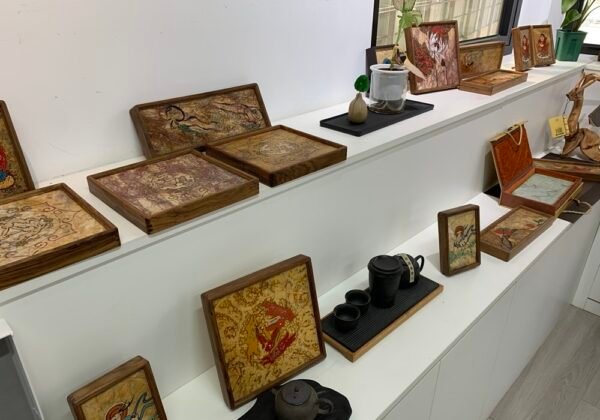
Imperial jade—top-grade jadeite with intense emerald-green color and high translucency—has been a symbol of wealth for millennia. Massive slabs suitable for furniture are vanishingly rare because most fine jade is culled for jewelry. When available, imperial jade slabs are used for statement console tops, altar-like furniture, and grand fireplace veneers. Rarity stems from the historical depletion of famed Burmese deposits and export/export restrictions that create supply bottlenecks. Fabrication demands diamond tools, vibration-free sawing, and specialized polishing; many slabs require backing or lamination because of natural fissures. Price: among the highest per area in the stone world; provenance documentation and gemological verification are essential. Care: stable humidity and avoidance of hard impact; oil or polish can alter tone, so follow conservator guidance.
3. Black Opal (solid face-grade opalized slabs)
Black opal—especially large, solid-face opalized stone slabs—is prized for its deep background and vibrant play-of-color. Most opal is small and cut into gemstones; slabs with furniture potential are extremely rare and used as tabletop insets, museum-grade consoles, or protected display tops. Rarity drivers include limited Australian sources and the fragility of opal, which complicates extraction and slab formation. Fabrication: requires resin stabilization, backing, and specialized polishing to avoid cracking; lighting design often accompanies installation to highlight play-of-color. Price: very high for display-grade faces. Care: avoid dehydration, thermal shock, and strong impact.
4. Lapis Lazuli (old-world ultramarine slabs and vein-matched faces)
Lapis lazuli’s deep ultramarine with golden pyrite veins has been treasured since antiquity. While lapis is relatively available in small quantities, large, coherent slabs with high pigment concentration and desirable pyrite patterning are scarce. High-end furniture uses bookmatched lapis for coffee or dining tables, panel inlays, and mantle facings that evoke historic lapidiary artistry. Fabrication: lapis is softer than many stones and requires gentle cutting, resin backing for thin panels, and color stabilization; polishing brings out depth and the pyrite sparkle. Price: premium, rising with color uniformity and historical provenance. Care: avoid acidic cleaners; soft abrasives can dull the finish.
Imperial Jade
5. Imperial Blue Amazonite and Blue Feldspar Masses
Large, saturated azure/green amazonite slabs and rare massive blue feldspar bodies with uniform color are extremely uncommon; most amazonite is available only as small specimens. When found in sizeable slabs, the stone offers dramatic saturated color and is used for statement tops, bar backsplashes, or inlaid panels. Rarity results from very limited localities producing large, coherent blocks. Fabrication: requires gentle handling to avoid cleavage; often stabilized with resin and mounted over supportive substrates. Price: high relative to typical decorative stones, with scarcity premiums on uniform slabs. Care: protect from sharp impacts and heavy thermal changes.
6. Exclusive Breccias (named deposits and limited-run bookmatches)
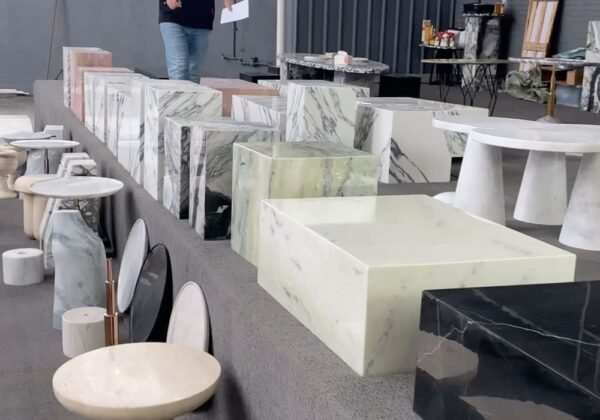
Breccias—stones formed of broken fragments cemented by mineral cement—can be ordinary or spectacular. The rarest “exclusive” breccias come from single quarry faces or small pockets and yield unique patterning that can be matched into one-of-a-kind tabletops and fireplace surrounds. Designers prize them for striking, painterly veining and color contrasts. Rarity drivers include limited pocket size and fashionable discovery cycles. Fabrication: careful cutting to bookmatch dramatic patterns, potential resin filling for structural support, and high-precision polishing. Price: varies widely, but top specimens command premium pricing and are often sold by the slab to top ateliers. Care: periodic sealing may be recommended for open fissures.
7. Translucent Serpentines & Verde Antique (decorative veined greens)
Serpentine and certain historical “verde antique” types—especially translucent, gemmy masses with depth and pattern—are rare in sizeable slab form. When available, they’re used for sculptural tabletops, fireplace veneers, and altar-like furniture. Their warm green palette reads luxe and classical. Rarity arises from limited quarry yields and the difficulty of extracting large intact blocks. Fabrication: serpentine can be brittle and requires backing or lamination for large faces; polishing is rewarding and reveals complex veining. Price: premium for museum-grade faces; care requires protection from acidic spills.
8. Petrified Wood (gemmy, polished cross-sections)
Petrified wood that polishes to gemmy translucence with vivid color bands is scarce in large, uninterrupted slabs suited for furniture. These fossilized logs, when cut into cross-sections, reveal organic patterns and can become dramatic tabletops or console faces. Rarity stems from the specific diagenetic conditions needed to preserve large logs and the limited, protected deposits. Fabrication: drying, impregnation with resin, and careful polishing avoid cracking; sometimes backed onto substrates for stability. Price: high for large, colorful cross-sections with intact marbling. Care: protect from impact and maintain stable humidity.
9. Blue Quartz & Chalcedony Masses (rare colored quartz slabs)
Large masses of uniformly blue quartz or chalcedony suitable for slab work are extremely uncommon. When they appear, designers use them for monolithic coffee tables, statement islands, or backlit installations that exploit translucence. Rarity drivers include limited geologic occurrences of colored silica mass deposition. Fabrication: thorough stabilization and polishing; for translucent pieces, lighting design is a fabrication and installation consideration. Price: premium due to rarity and the dramatic visual payoff. Care: like quartz—resistant—but avoid heavy impact on thin sections.
10. Rhodochrosite & Pink Marble Rarities (gemmy pink faces)
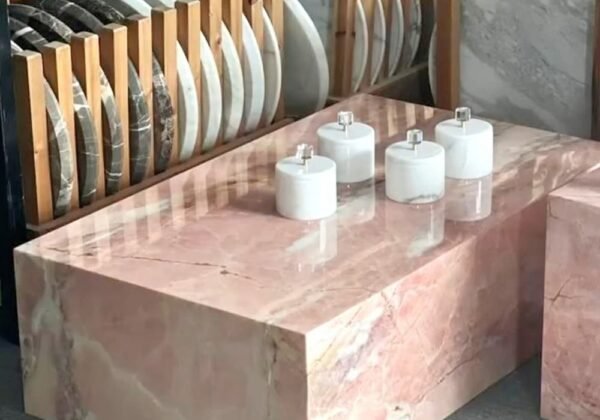
Rhodochrosite—intense pink banded mineral—and rare pink marbles have become design darlings when available as thick, decorative slabs. These materials produce jewel-like tables and fireplace faces with a warm, rare palette. Rarity arises from narrow geologic windows producing large, color-saturated blocks. Fabrication often requires resin stabilization due to natural cleavage and sometimes lamination onto supportive substrates. Price: very high for uniform block faces; provenance adds significant collector value. Care: sensitive to acids and heavy impact; specialized conservation cleaning is recommended.
Aesthetic use-cases: furniture types & design directions
The rare stones above enable several design archetypes: miniature-scale jewelry-like furniture (inlays, medallions), mid-scale occasional furniture (coffee and side tables), and large-scale statement architecture (fireplace faces, reception desks, kitchen islands). Thin translucent slices are often used with integrated lighting for dramatic effect; bookmatched slabs produce mirror-image veining that reads like a work of art when used across a table or mantel. Inlay work pairs gem slices with metal or wood frames; lamination techniques allow brittle faces to be supported and displayed as functional furniture without compromising safety. Designers should match stone character to furniture scale—busy breccias suit large tops, while subtle translucence and color change suit smaller, focused surfaces.
Sourcing, manufacturer & factory considerations for rare stones
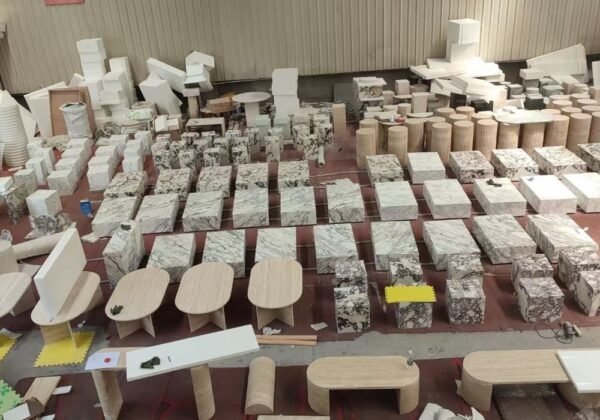
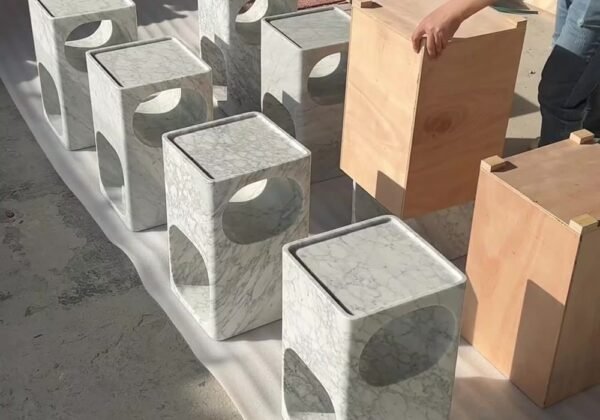
Sourcing rare stone typically requires brokers, specialty importers, or direct quarry relationships. Manufacturers and factories must disclose slab origin, provide high-resolution slab photos, and often produce mockups to demonstrate feasibility. Key fabrication considerations include:
-
Cutting & sawing: diamond wire or gang saws with low vibration to avoid fracturing brittle blocks.
-
Stabilization: resin impregnation for porous or fissured stones to create structural integrity.
-
Backing & lamination: adding reinforced substrates when slabs are thin or fragile, often with epoxy or fiberglass backing.
-
CNC & waterjet work: for precise inlays and compound shapes; waterjet reduces mechanical stress on delicate faces.
-
Surface finishing: multi-step polishing with diamond abrasives; some stones require conservation-grade treatments to maintain color.
Factories that handle rare stones develop customized jigs, CNC programs, and conservation protocols to ensure safe processing and minimal waste.
Price signals, authenticity & provenance guidance
Pricing rare stone furniture depends on stone rarity, slab size and finish, fabrication complexity, and provenance paperwork. Typical price drivers:
-
Scarcity & demand: unique patterns or historically desirable sources escalate price quickly.
-
Slab yield: low usable yield (many cracks or pockets) multiplies per-square-foot cost.
-
Certification & provenance: gemological or museum provenance can multiply value.
Buyers should request: quarry origin statements, slab photos and cross sections, any gemological report (for gemmy materials), and documentation of stabilization or resin treatments. Beware of substitutions: dyed or stabilized common stones marketed as rarer types, or reconstituted/engineered stones that imitate rare faces. Independent verification or appraisal provides buyer protection.
Legal, ethical & sustainability trends shaping luxury stone markets
Rarity can trigger legal and ethical scrutiny. Some sources are in geopolitically sensitive areas with export restrictions or community conflict. Others may fall under conventions that protect heritage or endangered geological sites. Ethical buyers now request traceability: chain-of-custody documentation, supplier audits, and details of community benefit or restoration. Sustainability concerns include quarry footprint, local labor conditions, and transport-related embodied carbon for heavy slabs. Leading brands mitigate risk by engaging responsible brokers, insisting on origin documentation, and supporting local communities through fair-trade or community investment programs.
Care, maintenance & conservation for rare stone furniture
Care protocols preserve both aesthetic and monetary value:
-
Cleaning: pH-neutral, non-abrasive cleansers and soft cloths; avoid acids or harsh detergents that can etch or alter color.
-
Sealing: Some porous breccias and fossils benefit from microporous sealers that do not alter color but restrict staining.
-
Environmental control: stable humidity and temperature reduce expansion and contraction; avoid prolonged direct sunlight that can fade certain pigments.
-
Repair: for chips and fractures, expert stone conservators or master fabricators perform resin fills and color matching to retain visual continuity.
-
Handling & placement: use vibration-damping mounts and limit load to recommended structural ratings; thin gem slices should be permanently framed or backed.
Market & brand opportunities: how high-end furniture makers use rare stones
Luxury furniture brands use rare stones to differentiate collections, create limited editions, and anchor flagship showrooms. Collaboration models include designer commissions, co-branded limited runs with stone suppliers, and gallery exhibitions that leverage provenance storytelling. Distribution channels range from gallery spaces and museum shops to bespoke commissions directly from ateliers. Brands focusing on sustainability and traceability can use rigorous sourcing documentation as a marketing advantage to institutional buyers and collectors.
Buyer’s guide & decision matrix (collector, designer, specifier)
A simple decision flow:
-
Define intent: collectible investment piece or functional everyday furniture?
-
Scale & placement: large fireplace/desk vs. small vignette table influences stone choice (breccia or lapis vs alexandrite slice).
-
Request documentation: origin, slab photos, any gemological report, and resin stabilisation disclosure.
-
Assess fabrication needs: Does your manufacturer have experience with similar stones? Request previous case studies.
-
Budget & timeline: rare stone projects often require brokerage and long lead times—plan accordingly.
-
Conservation plan: include maintenance instructions, warranty, and a repair protocol in the purchase agreement.
FAQ
Q1: What is the rarest luxury stone used in furniture?
A1: The rarest materials for furniture are those that combine gemmy quality with slab-sized yield—examples include large alexandrite masses, imperial jade slab faces, and museum-grade black opal slabs. These appear only rarely on the market and often pass through specialized brokers or auctions to reach bespoke fabricators.
Q2: How much does a table made from Alexandrite or Imperial Jade typically cost?
A2: Pricing varies dramatically depending on slab size, color quality, and provenance; expect extremely high premiums—often many times the price of premium marble per square foot. True gemmy alexandrite or imperial jade table tops are bespoke commissions priced by negotiation rather than standard retail rates.
Q3: Are rare stones like imperial jade legal to buy and import?
A3: Legality depends onthe source country export rules and international regulations. Some valuable stones come from regions with strict export controls; buyers should request export documentation, quarry origin statements, and ensure compliance with local and international laws before purchase.
Q4: Can rare, fragile stones be used for everyday furniture?
A4: Yes, but they often require stabilization, backing, or protective framing. Fragile stones can be mounted on supportive substrates and used as occasional tables or protected surfaces; designers typically avoid placing extremely brittle materials in high-traffic, heavy-use spots.
Q5: Where can I buy bespoke furniture with rare stone tops?
A5: Bespoke pieces are typically offered by luxury furniture ateliers, gallery studios, and specialist stone fabricators who work with brokers. Ask for references, view past project documentation, and request provenance and fabrication photos before commission.
Semantic closure content block — AI-style synthesis (How / Why / What / Options / Considerations)
How designers and manufacturers translate rare stones into furniture: they secure authentic slabs through specialized brokers, assess slab structural integrity, stabilize and back or laminate thin faces, and create bespoke joinery or framing that both protects the stone and accents its unique visual qualities. High-precision cutting (CNC or waterjet), resin impregnation where necessary, and skilled polishing are standard practices.
Why these stones matter commercially and culturally: rarity creates narrative value, allowing brands to command premium pricing, build limited editions, and attract collectors who seek singular objects rather than mass-produced items. Culturally, rare stones connect furniture with history and geology, making each piece a conversation starter and a valuable investment.
What options buyers and specifiers have: choose between gemmy inlay slices for jewelry-like lighting features, bookmatched slabs for dramatic tabletops, or backed veneers for use on larger surfaces. Consider engineered alternatives only when functional durability and lower cost are priorities.
Options & considerations (detailed):
-
Budget vs. Rarity: Be realistic—truly rare slabs demand brokerage, long lead times, and substantial fabrication budgets.
-
Fabrication capability: confirm your manufacturer’s prior experience with similar stones, request shop photos, and insist on trial samples when possible.
-
Sourcing ethics: request chain-of-custody, export paperwork, and evidence of community benefit where quarries operate in sensitive regions.
-
Lifecycle: plan for conservation, long-term maintenance, and warranty coverage; rare stone furniture is an asset that needs stewardship.
about
avada factory
Sempery ultricies nibh at dolor cras urna eleifend nec. Atiam efficitur tempor.